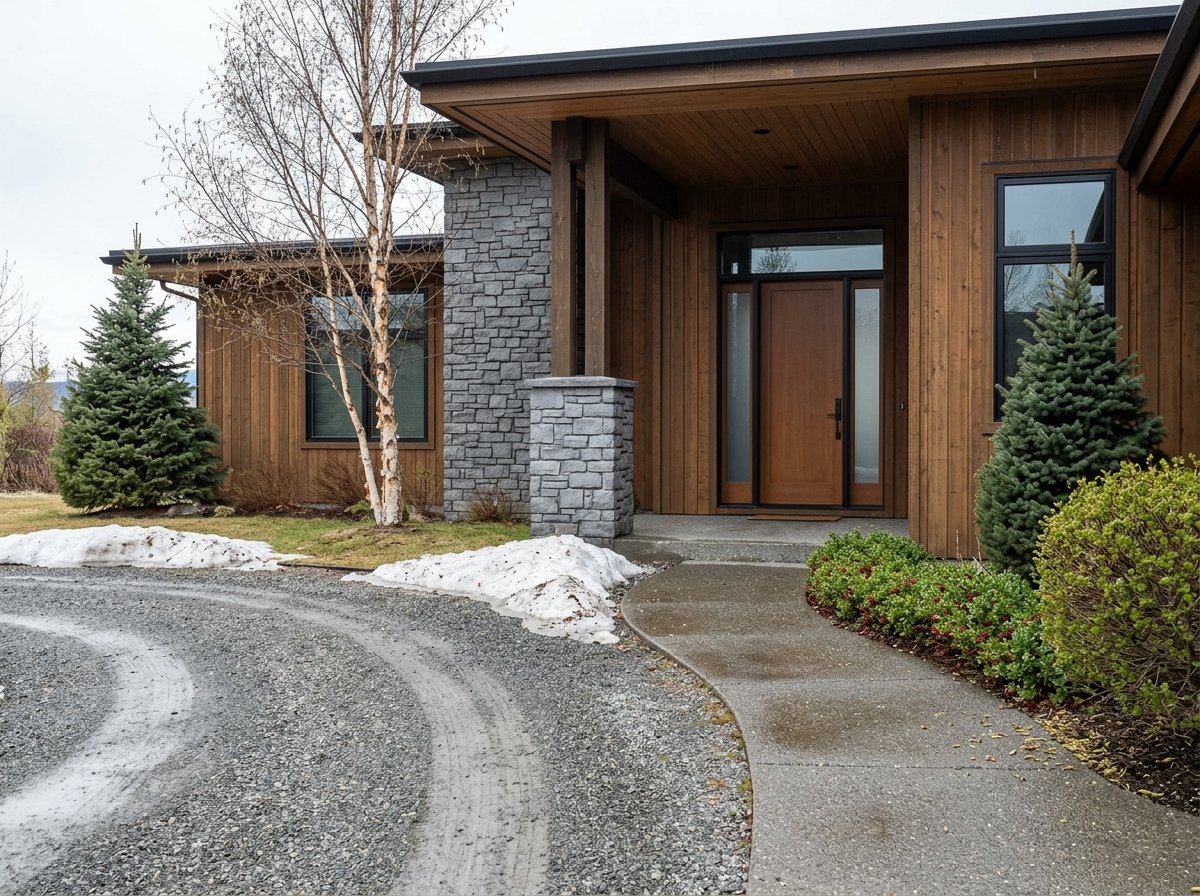
If you have ever tried to plan a move in Alaska, you already know the calendar matters. In Southcentral Alaska, long summer days, winter snow, and changing road and showing conditions can shape how easily you buy, sell, or even tour a home. When you understand how the seasons affect the market, you can make smarter timing decisions and reduce stress along the way. Let’s dive in.
Why seasons matter in Alaska
In many places, seasonality is a minor detail. In Southcentral Alaska, it plays a much bigger role because weather and daylight directly affect how homes are shown, photographed, and evaluated.
According to the State of Alaska’s Southcentral climate overview, Anchorage averages about 115 precipitation days per year, including roughly 48 snow days. The same source notes an average July high near 65°F, an average January low near 11°F, about 19.5 hours of daylight at the summer solstice, and about 5.5 hours at the winter solstice.
That difference changes the home search experience in real ways. In summer, you may have time to tour homes after work in full daylight. In winter, shorter days and snow cover can make it harder to judge a home’s exterior, driveway, yard, and overall access.
How seasons shape buying and selling
National housing patterns already tend to peak in spring and early summer. Alaska’s daylight and weather patterns often make that seasonal trend feel even more noticeable.
The National Association of Realtors seasonal market analysis shows that the typical home sells in 31 days in June compared with 49 days during December through February. The same analysis also points out that winter sellers may benefit from less competition, even though overall activity is lower.
For Alaska buyers and sellers, that creates a simple but important tradeoff. Spring and summer often bring better visibility, easier scheduling, and stronger curb appeal. Winter can bring less competition and, in some cases, more room for negotiation.
Spring and summer advantages
Late spring through summer is often the easiest window for both buyers and sellers in Anchorage, Eagle River, and nearby Mat-Su communities. Longer daylight hours make showings more convenient, especially if you work a full schedule or are relocating and trying to fit multiple tours into a short trip.
For sellers, this season often helps homes show at their best. Snow is less likely to cover landscaping, driveways, and walkways, and listing photos can better capture the exterior features buyers want to see.
For buyers, spring and summer can make comparison shopping simpler. You can usually get a clearer look at access, lot layout, yard space, and exterior maintenance conditions when snow and ice are less of a factor.
Why this matters for sellers
If you have flexibility, late spring and summer may offer the smoothest selling conditions. Your home is easier to prepare for showings, buyers can access the property more comfortably, and natural light can help rooms and exterior spaces photograph well.
This does not mean every seller should wait. It means your timing should match your goals, your level of preparation, and current inventory conditions in your area.
Why this matters for buyers
If you want the broadest selection, spring and summer often give you more options to compare. That can be especially helpful if you are moving from out of state and want to evaluate several areas in one visit.
The tradeoff is that more buyers may also be active. If a home is well-priced and well-presented, you may need to act quickly, especially in faster-moving parts of the Anchorage area.
Winter can still work well
A lot of people assume winter is a bad time to make a move in Alaska. That is not necessarily true.
The NAR seasonal perspective makes clear that winter activity is usually slower, but slower does not mean impossible. In fact, lower activity can sometimes benefit both buyers and sellers in different ways.
Buyers may face fewer competing offers in winter. Sellers may stand out more if fewer listings are on the market.
The key is preparation. Winter listings often need especially strong photography, clear access, and pricing that reflects current conditions. Buyers should also expect a little more friction when it comes to weather, travel, and evaluating exterior details.
Winter tips for sellers
If you list in winter, focus on the details you can control:
- Keep driveways, walkways, and entry points clean and accessible
- Make sure showing access is as easy as possible
- Use clear, high-quality listing photos
- Price with current market conditions in mind
- Be ready for weather-related scheduling changes
Winter tips for buyers
If you buy in winter, keep these practical points in mind:
- Build extra time into showings and inspections
- Pay close attention to exterior access and snow conditions
- Ask questions about features that may be harder to assess under snow cover
- Stay flexible if weather affects travel or timing
- Be prepared to move quickly if a strong listing appears
What the current market shows
Seasonality matters, but local market speed matters too. Current conditions suggest that some Alaska markets are moving faster than others.
As of March 2026, Anchorage’s housing market data showed a median sale price of $410,000 and 13 days on market. The same source showed Eagle River at $411,000 and 19 days on market, while Wasilla posted a median sale price of $537,450 and 34 days on market.
Statewide, Alaska market data showed 1,918 homes for sale, about two months of supply, a median sale price of $399,800, and 33 days on market in March 2026. That points to a supply-constrained market even before seasonal factors are layered in.
Anchorage, Eagle River, and Wasilla differ
It is easy to talk about Alaska as one market, but buyers and sellers should not assume every area behaves the same way. Recent data suggest Anchorage and Eagle River are moving faster than Wasilla.
That can affect your timing strategy. In Anchorage and Eagle River, a well-prepared listing may still attract fast attention, and buyers may need to stay ready to make decisions quickly. In Wasilla and parts of the Mat-Su fringe, there may be a bit more breathing room depending on the specific property and price point.
This matters if you are relocating, moving up, downsizing, or selling one home while buying another. A market with fewer days on market can create tighter timelines from listing to contract, while a somewhat slower area may offer a little more flexibility.
How to choose the right season
The best season is not always the perfect season on paper. It is the season that best fits your real-life constraints.
If you are relocating for work, your move may be driven by an employer timeline rather than market convenience. If you are selling, you may need time for repairs, cleaning, staging, or coordinating your next purchase.
A smart plan usually starts with a few practical questions:
- When do you actually need to move?
- How much time do you need to prepare your home?
- Do you want the widest selection or less competition?
- Are you comfortable navigating weather-related delays?
- Are you buying and selling at the same time?
When you answer those questions honestly, the right timing often becomes clearer.
A practical plan for sellers
If you are selling in Alaska, think of timing as a strategy tool, not a rulebook. Late spring and summer often support easier showings and stronger exterior presentation, but a winter sale can still succeed with the right preparation.
A useful seller plan often includes:
- Preparing the home early
- Reviewing current competition in your area
- Choosing a launch window that fits your schedule
- Pricing based on current local conditions
- Staying flexible if weather or market activity shifts
In a fast market like Anchorage or Eagle River, strong preparation can matter as much as the season itself. Buyers respond well to homes that are priced well, easy to tour, and clearly presented.
A practical plan for buyers
If you are buying, it helps to match your season to your priorities. If your top goal is more visibility and more homes to compare, spring and summer may be the better fit.
If your top goal is avoiding the busiest shopping period, winter may be worth considering. You may have fewer options, but you may also face less direct competition.
For many buyers, especially transferees and busy households, the smartest approach is to get organized before the season peaks. That means understanding your budget, narrowing your preferred areas, and being ready to tour or make decisions when the right property appears.
Make the season work for you
In Alaska, the season does not just change the weather. It changes how homes are seen, how buyers shop, and how sellers prepare.
That is why timing your move is less about finding a universal best month and more about aligning the market with your goals. Whether you want maximum visibility, fewer competing listings, or a plan that fits a work relocation, the right strategy starts with local insight and a clear timeline.
If you are thinking about buying or selling in Anchorage, Eagle River, or nearby Mat-Su communities, Wolf Real Estate can help you build a plan that fits the season and your schedule.
FAQs
Is winter a bad time to buy or sell a home in Alaska?
- No. Winter is usually slower, but it can mean less competition for buyers and fewer competing listings for sellers.
When is the best time to sell a home in Southcentral Alaska?
- Late spring through summer is often the easiest selling window because daylight is longer and snow is less likely to hide exterior features.
How do Anchorage and Eagle River compare with Wasilla?
- Current market data show Anchorage and Eagle River moving faster on average, while Wasilla is somewhat slower and may offer a bit more room in the timeline.
Why does daylight matter when buying a home in Anchorage?
- Daylight affects how easy it is to schedule showings after work and how clearly you can evaluate exterior features like yards, driveways, and access.
Should you wait until summer to buy a home in Alaska?
- Not always. Summer can offer more visibility and often more selection, but winter may bring less competition, so the best choice depends on your priorities and timing.