A buyer's inspector walks the side yard of a 1974 Sand Lake split-level and stops at a rusted stub of pipe near the foundation. The seller says the house was converted to gas years ago. Nobody has a removal receipt. The deal, which was on track to close in ten days, now has a fork in the road, and nobody in the room is quite sure who owns the cost.
That moment has always been the friction point in older Anchorage transactions. What changed in January 2026 is not the friction itself, but the price of resolving it. A new Alaska Department of Environmental Conservation grant program now covers between $13,000 and $17,000 of a home heating oil spill cleanup, and that single fact has shifted the leverage on the tank question in a way most sellers and buyers have not caught up to yet.
Where The Tank Question Lives On The Alaska Form
Alaska's disclosure regime is set by statute AS 34.70.010, which requires the seller to deliver the Residential Real Property Transfer Disclosure Statement before the buyer makes a written offer. Buried in the environmental section is a single question that does most of the work in these deals:
Are you aware of any substances, materials, or products that may be an environmental hazard such as asbestos, formaldehyde, radon gas, lead-based paint, fuel or chemical storage tanks, contaminated soil, water, or by-products from the production of methamphetamines on the subject property?
The word doing the heavy lifting is "known." Alaska law does not require sellers to hire an inspector or run a tank sweep. It relies on the owner's lived experience of the property as the basis for the answer. That sounds forgiving until you consider how courts read a long-tenured owner checking "Unknown" on a tank question when the fill pipe is visible in the side yard.
Sellers who bought the house in the 1990s and heated with oil for a decade before converting to gas do not get to claim ignorance later. The statute of limitations on fraud claims typically runs from the date of discovery, not the date of sale, which means a buyer who digs up a forgotten tank three years after closing still has standing.
What The January Program Actually Does
On January 9, 2026, DEC's Prevention, Preparedness, and Response Program formally announced a statewide grant that pays between $13,000 and $17,000 per eligible spill, depending on geography, out of a one-time $450,000 state budget appropriation. Homeowners who discover a spill on or after the pilot's September 1, 2025 launch may apply, and older spills can qualify if the only remaining work is transport and disposal of contaminated soil. The application portal lives at HomeHeatingOilTanks.alaska.gov.
PPR Program Manager Graham Wood has said the department receives about 50 residential heating oil spill reports a year, ranging from a few cups to hundreds of gallons. The pilot case, in Nikiski, disposed of more than 43 tons of contaminated soil. Aside from local fire codes, DEC notes that Alaska has no regulations governing the installation or maintenance of residential heating oil tank systems, which is why the question surfaces almost exclusively at the transaction.
Here is what most sellers have not internalized: the grant reprices the pre-listing decision. A pre-listing tank sweep and remediation used to be a project a seller ran from personal savings, competing against every other pre-listing improvement for the same dollars. With DEC covering the disposal end of the cost stack, the marginal price of dealing with the tank before it becomes a buyer discovery item has fallen sharply. That matters because the alternative, dealing with it under contract, is where deals actually die.
The Seller's Decision Tree, In Order
If the house is pre-1985 and there is any chance oil heat was ever used, the pre-listing sequence looks like this:
- Pull the receipts you have. Utility history, conversion invoices, any prior tank removal or decommissioning paperwork. Alaska's disclosure form asks for utility cost history covering gas, electric, oil, propane, wood, coal, water, sewer, and refuse, so those records are getting pulled anyway.
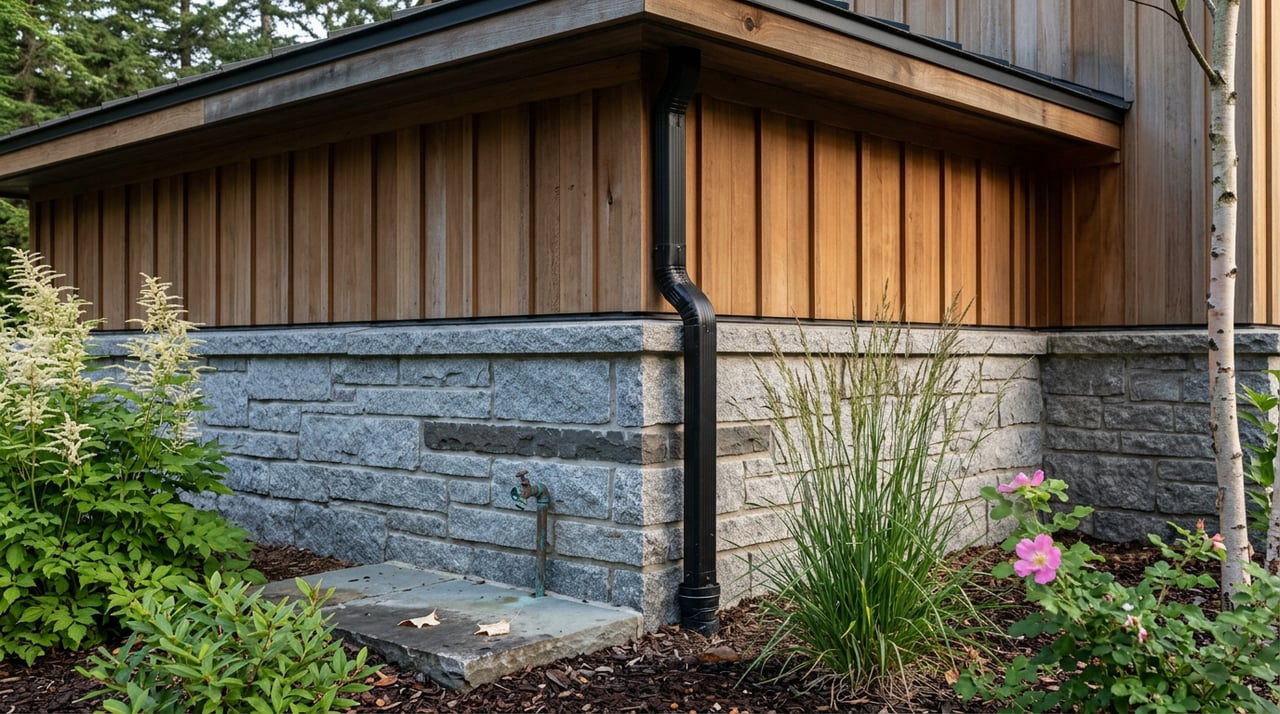
- Walk the perimeter for fill and vent pipes. A fill pipe is typically two to three inches in diameter with a threaded cap. A vent is smaller, often bent like a shepherd's crook. Look under decks, behind shrubs, and along the foundation. Cut-off stubs are the giveaway that a tank was abandoned rather than removed.
- If evidence is present or the paper trail is missing, order a tank sweep before you list. Ground-penetrating radar is the reliable method. Metal detectors return too many false positives to be useful in a transaction.
- If a tank is found, contact DEC before excavation. The Contaminated Real Estate page routes homeowners to the PPR program and confirms the disclosure obligation under AS 34.70.010. Anchorage-area cleanups have historically routed excavated soil to Alaska Soils Recycling for thermal treatment.
- Disclose in full on the form. Attach the removal receipt, the soil sample results, and any DEC closure letter to the Explanation Addendum. This is what neutralizes the issue at the negotiating table.
The sellers who lose money on this issue are not the ones who find a tank. They are the ones who find a tank in escrow, on the buyer's timeline, with the buyer's inspector writing the narrative.
What Buyers Under Contract Should Actually Ask For
Standard home inspections do not cover underground storage tanks. The American Society of Home Inspectors' scope of practice specifically excludes them. A buyer who wants certainty on an older Anchorage home needs a separate scope, and the ask should be specific:
- A visual inspection of the basement or crawl space for capped copper lines, patched foundation penetrations, or an oil-fired furnace with no visible above-ground tank.
- An exterior sweep of the foundation perimeter for fill and vent pipes, including cut-off stubs at grade.
- A subsurface scan using ground-penetrating radar, not a metal detector, if any of the above is present.
If a tank is confirmed and the seller has no closure documentation, the buyer's real leverage is not asking for a price reduction. It is asking for a Prospective Purchaser Agreement, a legal instrument the State of Alaska uses to release a buyer from liability for existing contamination in exchange for specified remediation action. Most Anchorage buyers have never heard of a PPA. It is the tool that keeps a deal alive when a tank surfaces late.
Why This Matters More In A Tight Anchorage Market
Over the three months ending May 2026, Anchorage's median sale price was $428,000 and homes were selling in a median of about 10 days. Houzeo pegged March 2026 months-of-supply at 1.1 and the sale-to-list ratio at 99.84 percent. That combination is what makes a late tank discovery so damaging.
In a balanced market, a buyer who walks over a tank issue has other houses to look at next week. In a market with roughly a month of inventory, walking means restarting the search from zero, and sellers know it. What that does in practice is push both sides toward a rushed side deal, usually a credit that undershoots the actual cleanup cost because nobody has time to get real bids. The DEC grant changes that math by capping the seller's exposure at a knowable number.
For sellers, the takeaway is that pricing power in a tight market does not extend to concealed defects. Homes priced at fair market value still sell inside the normal window in 2026, but the ones that hit reduction cycles are almost always the ones with a mid-escrow surprise.
FAQ
Does the DEC grant apply to a tank that was decommissioned properly years ago? The grant is scoped to spill cleanup, not to routine removal or decommissioning. If the historical closure was clean and documented, there is nothing for the program to fund. The grant matters when a spill is discovered on or after the September 1, 2025 pilot date, or when an older case has soil already excavated and awaiting disposal.
If I check "Unknown" on the tank question, am I protected? Not reliably. The disclosure standard turns on what the seller knows, and a long-tenured owner claiming ignorance about a visible fill pipe is the fact pattern that produces post-closing lawsuits. "Unknown" is defensible only when it is genuinely true.
Who pays for the tank sweep during a transaction? That is a negotiated item, but the customary pattern in Anchorage is that the buyer orders and pays for the sweep as part of the inspection contingency period. Sellers who order a sweep pre-listing and share the report typically extract more value from that spend than sellers who wait.
Working Through It Without Losing The Deal
Older Anchorage housing carries a paperwork tail that newer construction does not, and the tank question is the one that catches the most sellers off guard in the current market. The team at Wolf Real Estate has closed enough of these transactions to know which pre-listing steps actually neutralize the issue and which ones just move it to a worse moment in escrow. If you own a pre-1985 Anchorage home and are thinking about listing in the next six to twelve months, start the conversation before the fill pipe becomes an inspector's talking point.
Start Your Anchorage Home Search