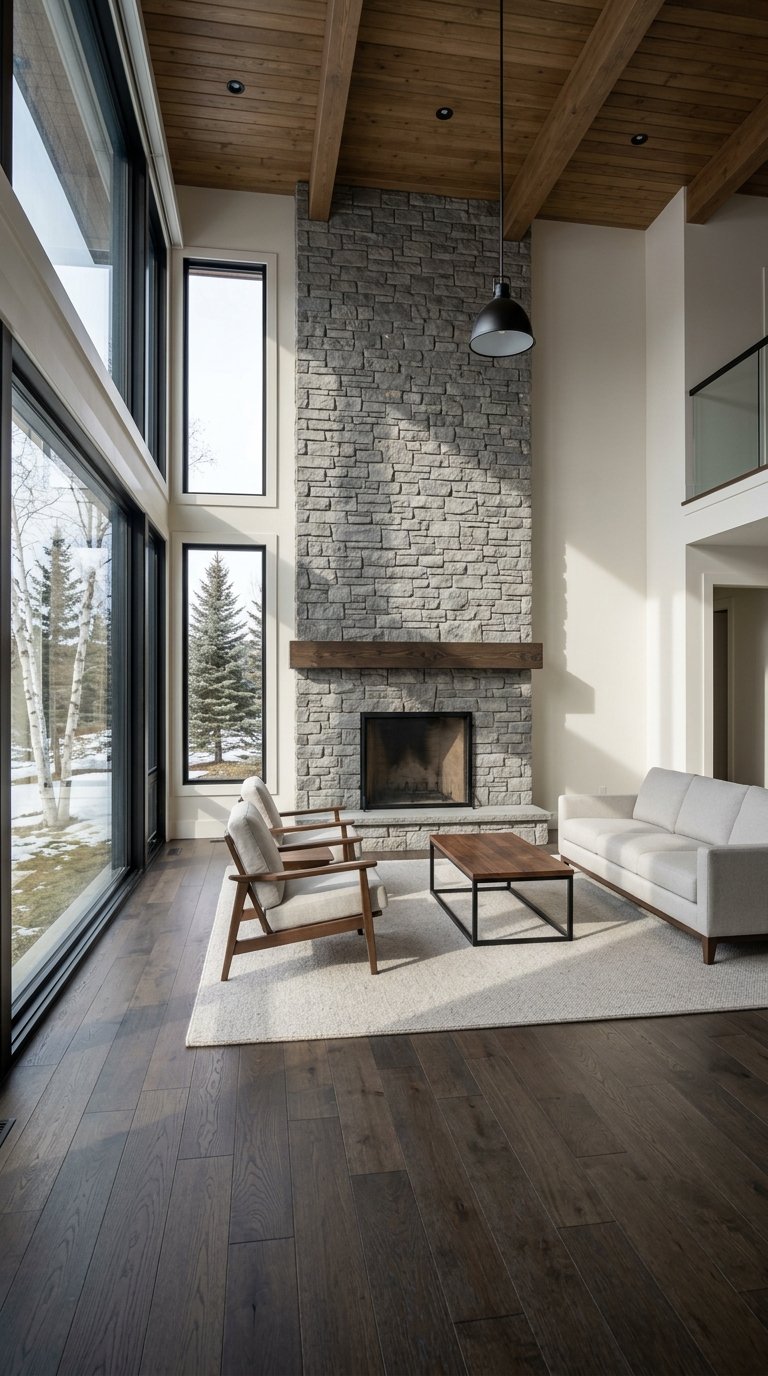
Buying your first home in Alaska can feel like learning a new language. You may see listings that say ranch, split-level, log, A-frame, or contemporary, but the style name only tells part of the story. What really matters in Alaska is how a home handles cold, snow, moisture, wind, and the conditions on the lot. This guide will help you understand the home styles you are most likely to see and what to pay attention to as you compare options. Let’s dive in.
Why home style matters in Alaska
Alaska includes a wide range of building traditions, and the climate varies from temperate maritime areas to Arctic conditions. That means the same home style can live very differently depending on where it sits and how it was built.
For new buyers, the biggest takeaway is simple. A home’s style affects layout, roof shape, windows, and curb appeal, but performance features often matter more than the label in the listing. Roof design, insulation, ventilation, moisture control, and foundation type should all be part of your decision.
Common Alaska home styles
Ranch homes in Alaska
Transitional Ranch and Modern Ranch homes are some of the most common styles found in Alaska neighborhoods. The Alaska style guide notes that these homes became abundant during postwar growth and are found throughout the state.
You will usually recognize a ranch by its one-story shape, horizontal layout, low or shallow roof pitch, overhanging eaves, and large picture or corner windows. Many also include an attached garage or carport.
For you as a buyer, ranch homes often mean a practical floor plan with fewer stairs and a familiar suburban feel. That can be appealing if you want simpler daily living or easy movement between rooms.
Split-level homes in Alaska
Split-level homes are also abundant in Alaska. These are considered more of a house form than a single style, and they often appear with ranch or contemporary exterior details.
Typical split-level features include two or three levels, a split entry, and a garage that stands out from the front. Inside, the layout often separates living areas, sleeping areas, and recreation space.
If you are comparing split-level homes, think about how you want to use the levels. Some buyers like the separation of space, while others prefer a more open, single-level layout.
Bungalow and Craftsman homes
Bungalow and Craftsman homes are an earlier style that still appears in Alaska, including examples in Anchorage and Ketchikan. These homes are known for low-pitched gable or hip roofs, wide eaves, exposed rafters, front porches, and open floor plans.
These homes often attract buyers who want architectural character and a more classic look. As you tour them, pay attention to updates and maintenance, especially in areas like insulation, attic performance, and moisture management.
A-frame and chalet-inspired homes
A-frame homes can be found throughout Alaska and became popular in areas connected to outdoor recreation. They usually feature a steep roof that extends close to the ground, large windows on the main front wall, and an interior loft.
Some Alaska homes also have chalet-inspired features, especially in rooflines and overall massing. These homes often lean into a mountain-lodge look rather than fitting into one strict architectural category.
For buyers, these homes can offer dramatic style and strong visual appeal. At the same time, it is smart to look past the wow factor and ask how the roof, insulation, and ventilation perform in winter conditions.
Log and rustic homes
Log homes are part of Alaska’s long building tradition. The state style guide points to vernacular log structures, and Alaska housing guidance notes that the state has abundant trees suitable for log construction.
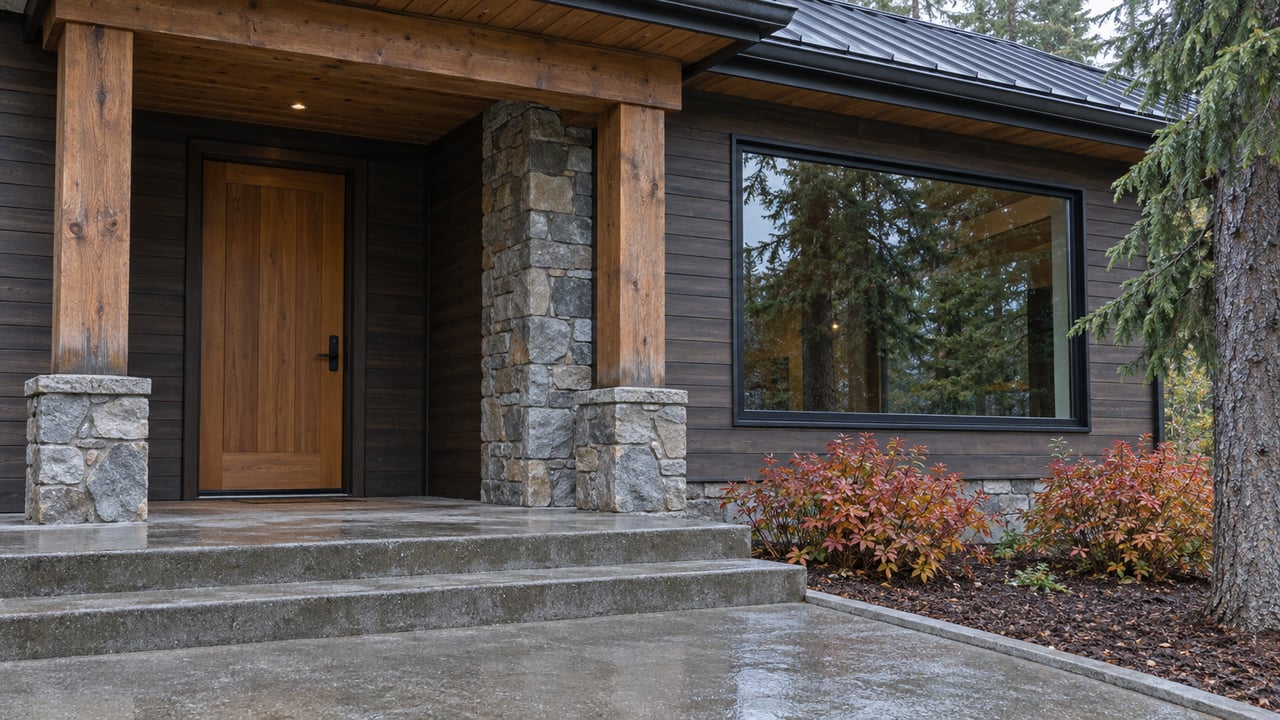
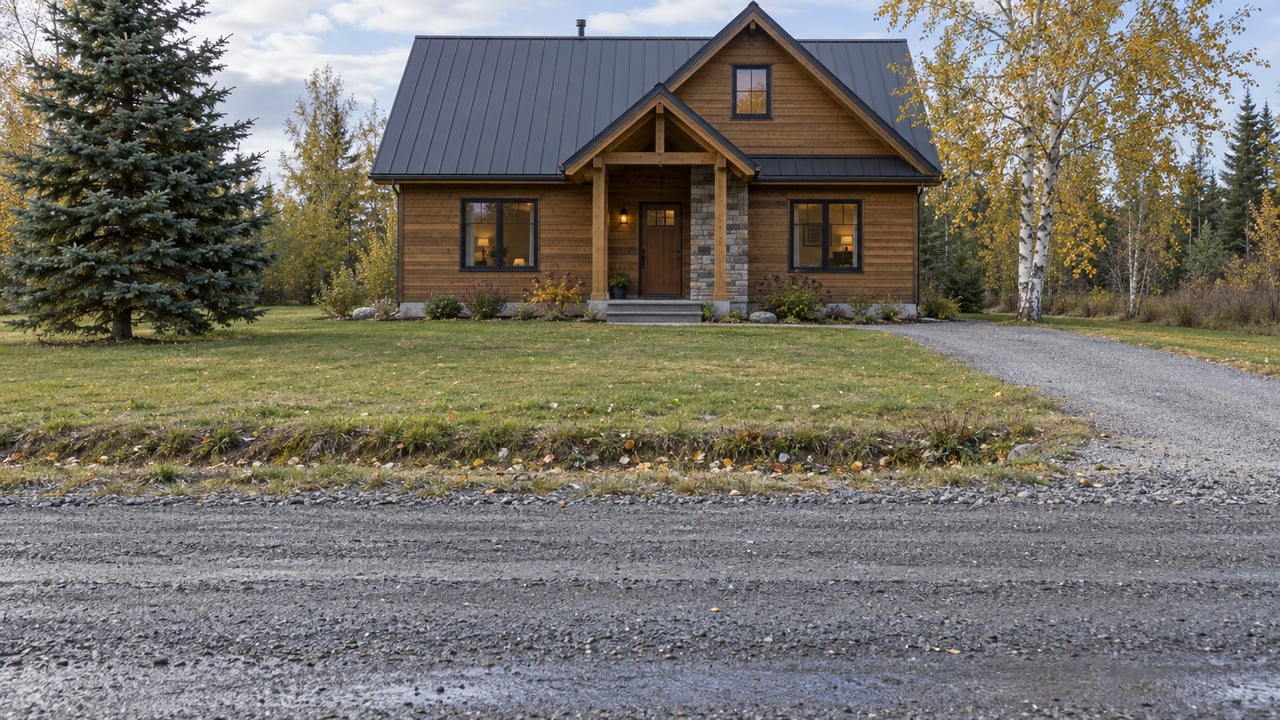
Rustic homes may use log or stone materials, horizontal design, low-pitched roofs, and minimal ornament. Many are found in more rural or park-like settings.
If you are considering a log home, know that it can be practical, but it is also specialized. Alaska Housing Finance Corporation guidance says energy-efficient log homes depend on high craftsmanship to meet modern airtightness and durability standards.
Contemporary and view-oriented homes
Contemporary homes in Alaska are often designed from the inside out. The Alaska style guide describes them as homes that emphasize interior function and outdoor views.
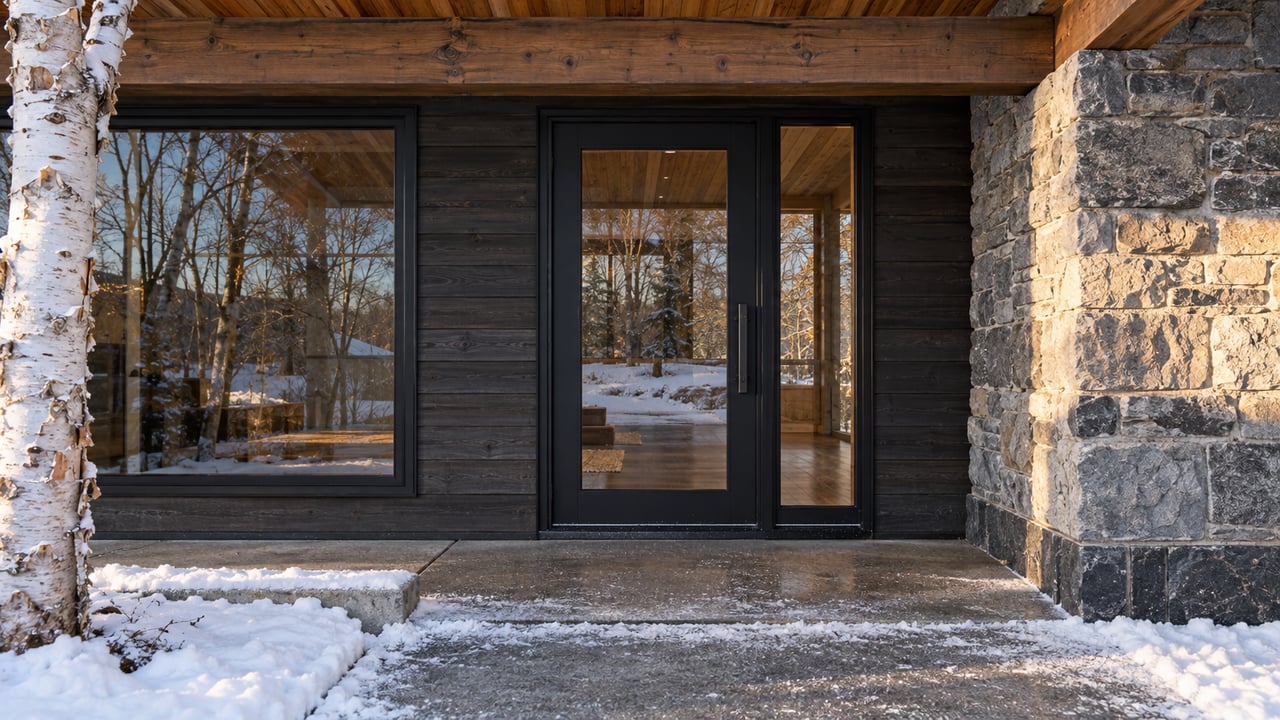
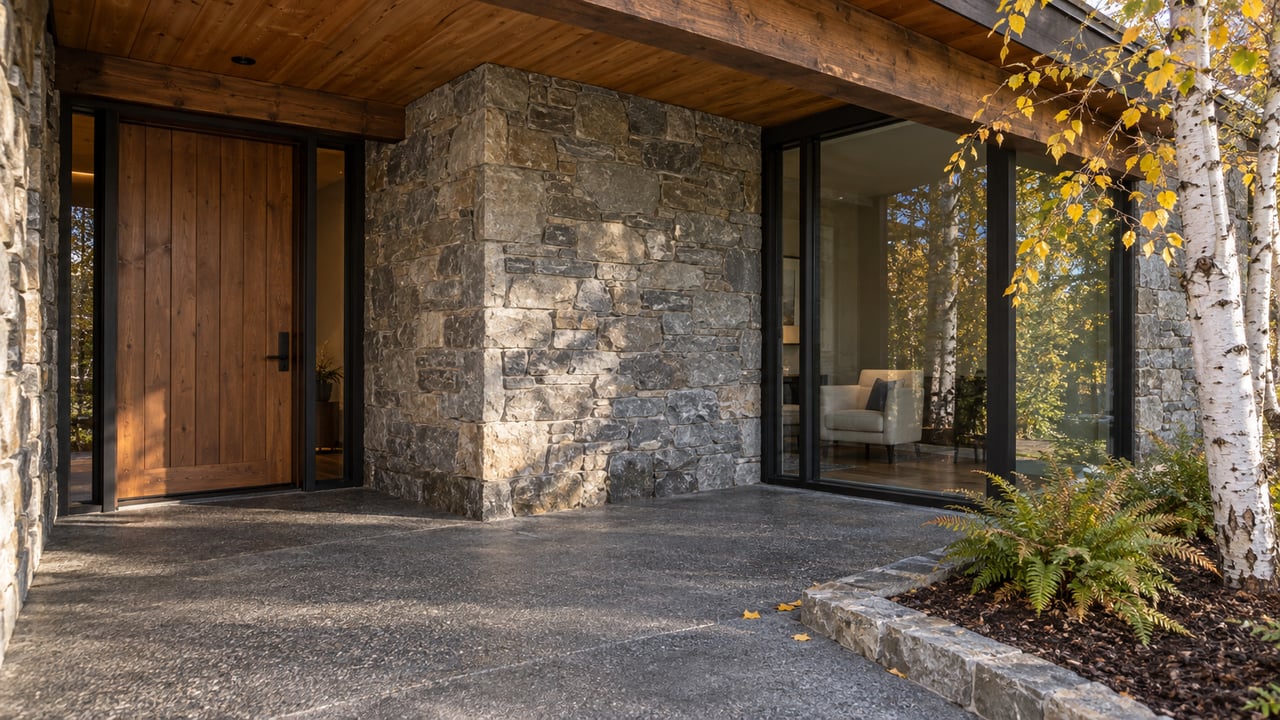
You may notice low-pitched or flat roofs, wide eaves, exposed beams, and natural materials like wood or stone. These homes can be especially appealing if you want big windows, open living areas, and a connection to the landscape.
When you tour contemporary homes, pay close attention to window placement, insulation, and how well the home manages heat loss and moisture. Large views are a great feature, but performance still matters.
What matters more than style
Roof and attic performance
In Alaska, the roof is about more than appearance. Snow, ice, and heat loss can all affect how a home performs through the winter.
According to Alaska Housing Finance Corporation guidance, air sealing between the house and attic is the most important factor in preventing ice dams. Proper attic insulation also matters, especially in cold climates.
As you compare homes, ask about the age and condition of the roof, the attic insulation, and whether air sealing upgrades have been made. A beautiful roofline does not always mean strong performance.
Foundation type
Many first-time buyers assume every Alaska home has a basement, but that is not the case. Alaska building guidance recognizes several foundation systems, including basements, crawl spaces, frost-protected shallow foundations, piling, post-and-pad systems, and permafrost-specific options.
Foundation choice matters because Alaska site conditions can vary so much. Alaska Housing Finance Corporation also notes that Alaska is one of the most seismically active areas in the world, which adds another layer of importance to how homes are built and supported.
The same guidance says slab-on-grade is not recommended for Alaska. When you view a home, make sure you understand what type of foundation it has and how that fits the site.
Insulation, air leakage, and ventilation
A home that looks perfect in listing photos may still need work behind the walls or above the ceiling. Alaska Housing Finance Corporation’s Building Energy Efficiency Standard focuses on thermal resistance, air leakage, moisture protection, and ventilation.
That is a useful reminder for buyers. In Alaska, comfort and efficiency depend on how well the home controls heat flow and moisture, not just on style.
If state financial assistance is involved, the same standard requires at least a 5-star energy rating. Even if that specific requirement does not apply to your purchase, energy performance is still worth asking about.
How location shapes Alaska homes
A statewide view of Alaska housing can be misleading if it suggests one style defines the whole state. Historical sources show clear regional differences, with log houses tied to interior areas and frame houses with glazed-in porches noted in coastal towns like Nome.
That context helps explain why homes across Alaska can look and function so differently. Ranch and split-level homes are common in many subdivision settings, while A-frames, log homes, rustic homes, and contemporary view homes are often more shaped by site, climate, and lifestyle.
If you are moving to Anchorage, Eagle River, or nearby communities, you will likely see a mix of practical subdivision-era homes and more site-driven designs. The key is to match the home to your daily needs and to Alaska conditions, not just to your favorite exterior look.
A simple checklist for first-time buyers
When you tour Alaska homes, keep this quick checklist in mind:
- Roof design and condition
- Attic air sealing and insulation
- Foundation type
- Ventilation and moisture control
- Window placement and heat efficiency
- Layout that fits your day-to-day life
- Construction quality, especially in log homes
This approach can help you compare very different homes on equal footing. A ranch, split-level, A-frame, or log home may all work well if the home is built or maintained for Alaska conditions.
Choosing the right style for you
There is no single best Alaska home style for every buyer. The right fit depends on how you live, where you plan to buy, and how the home performs in real conditions.
If you want easy everyday flow, a ranch may stand out. If you want separated spaces, a split-level may fit. If you love character, a Craftsman or bungalow may appeal to you. If you want a mountain feel or dramatic windows, an A-frame, chalet-inspired, rustic, or contemporary home may rise to the top.
The best first step is to look beyond the style name and ask better questions. In Alaska, a home that is well-suited to its site and climate can make a big difference in comfort, upkeep, and long-term confidence.
If you are starting your search in Anchorage, Eagle River, or nearby areas, the team at Wolf Real Estate can help you compare home styles, understand what matters in Alaska construction, and find a home that fits the way you live.
FAQs
What home styles are most common in Alaska for first-time buyers?
- Transitional Ranch, Modern Ranch, and Split-Level homes are especially common in Alaska subdivision-era housing, while A-frames, log and rustic homes, and contemporary homes appear more often in site-specific or recreation-oriented settings.
Are log homes practical for Alaska buyers?
- Yes, but Alaska housing guidance treats log homes as a specialized construction type that depends on strong craftsmanship and good energy performance, not just rustic appearance.
Do all Alaska homes have basements?
- No. Alaska homes may use basements, crawl spaces, frost-protected shallow foundations, piling, post-and-pad systems, or permafrost-specific foundation options.
What should new buyers in Alaska prioritize over style?
- Focus on condition and performance, especially the roof, attic sealing, insulation, moisture control, ventilation, heating system, and foundation type.
Are A-frame homes common in Alaska?
- Yes. A-frames can be found throughout Alaska and are often associated with outdoor recreation areas, steep rooflines, loft spaces, and large front-facing windows.
Why does location matter when comparing Alaska homes?
- Alaska’s climate and site conditions vary widely by region, so the same home style can perform very differently depending on where it is located and how it was built or maintained.