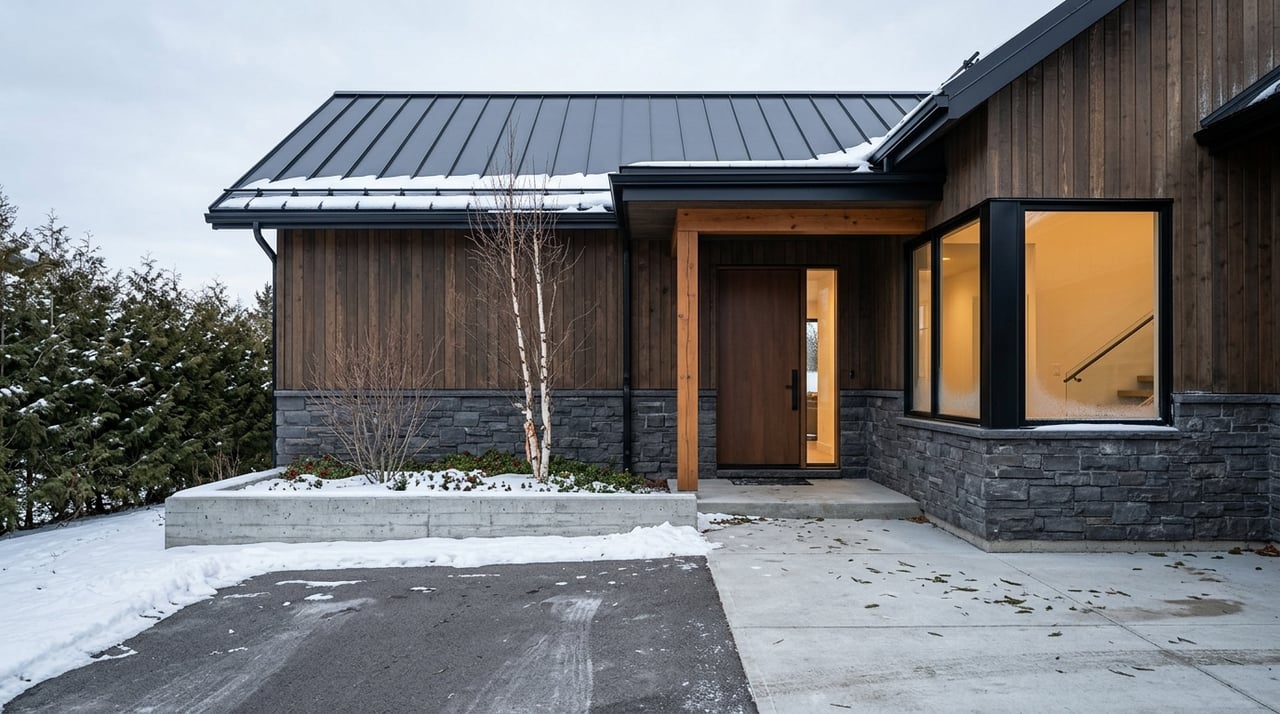
Moving to Alaska comes with big questions, and one of the biggest is whether you should buy a home before you ever set foot in the state. If you are relocating for work, trying to lock in housing, or hoping to avoid a temporary move, buying early can sound like the simplest path. The good news is that it can work, but in Alaska, the smartest answer depends less on speed and more on how well you can verify the home, the location, and the closing process before you commit. Let’s dive in.
When buying before you move makes sense
Buying before your move can be a practical choice if your timeline is firm and your support system is already in place. In Alaska, remote online notarization has been available for approved notaries since January 1, 2021, and the state recorder’s office supports eRecording through title-company channels. That means many buyers can complete major parts of the closing process without flying in.
Still, just because a remote closing is possible does not mean every purchase is low-risk. Alaska’s own disclosure form urges buyers to inspect the property carefully and to use an expert. If you are buying from out of state, that warning matters even more because listing photos and virtual tours cannot show you everything.
A buy-before-you-move strategy tends to work best when you already have financing lined up, a local real estate team helping you, and a clear plan for inspections and contingencies. If those pieces are missing, renting first may be the safer move.
Why Alaska requires extra caution
Alaska homes can come with property conditions that are not always obvious in photos or video. The state disclosure form covers issues such as water intrusion, sewer systems, energy ratings, encroachments, and environmental concerns. It also reminds buyers that real estate licensees are not responsible for the condition of the property, whether or not an inspection happened.
That puts the responsibility on you to verify what you are buying. In Alaska, that matters because climate and ground conditions can affect a home in ways that buyers from outside the state may not expect.
Foundation and site conditions
The University of Alaska Fairbanks Cooperative Extension notes that permafrost is a building issue across much of the state, with an estimated 85% of Alaska having permafrost in subsoils to some extent. Thawing can lead to uneven foundation settling, and drainage can become more difficult when frozen ground limits water movement.
For you as a buyer, that means foundation type, grading, drainage, and signs of settling deserve close attention. If a home is in an area where frost-related movement is a concern, local expertise becomes especially important.
Heating and cold-weather systems
Alaska’s cold weather creates another layer of risk for remote buyers. UAF guidance says extreme cold can block chimneys and air-intake vents, freeze propane systems, and cause heating oil flow problems. Snow buildup can also make roof access and chimney maintenance harder.
If you plan to buy before arriving, ask targeted questions about the heating system, fuel setup, venting, and access for maintenance. These are not minor details in Alaska. They can affect both comfort and cost right away.
Doors, windows, water, and utility concerns
The Arctic Infrastructure Development Center at UAF points to foundation failures, water distribution and wastewater issues, electrical connection problems, and even snow blowing through doors and windows as real housing concerns in Arctic conditions. Many of these issues can be reduced through good engineering and maintenance, but they still need to be checked.
That is why a remote purchase should be backed by more than listing media. A detailed local inspection gives you a much stronger basis for your decision.
What Alaska law says about disclosures and inspections
One of the most important protections for buyers in Alaska is the Residential Real Property Transfer Disclosure Statement. For residential property, the disclosure must be completed and delivered before you make a written offer. If the disclosure or a material amendment arrives after your written offer, you may have the right to terminate within three days if it is delivered in person or within six days if it is delivered by mail.
That timing matters if you are moving quickly from out of state. You want the disclosure early so you can review concerns before committing too far into the process.
The same form also strongly encourages you to inspect the property carefully and have it inspected by an expert. In simple terms, Alaska gives you a path to buy remotely, but it also makes clear that you should verify condition independently.
How remote closing works in Alaska
If your goal is to buy before arriving, closing logistics are usually manageable with the right team. Alaska’s Recorder’s Office oversees 34 recording districts, and recorded documents become part of the permanent public record. The state also offers eRecording through approved providers, and remote online notarization can be used when the notary is commissioned, approved, and using compliant technology.
For you, the takeaway is straightforward: yes, you can often close without flying to Alaska. But the process works best when your lender, title company, and agent are coordinated and familiar with Alaska’s recording requirements.
That includes details like the correct recording district, complete mailing addresses, legal descriptions, and proper signatures and acknowledgments. A well-organized title and escrow process can make a huge difference when you are handling everything from a distance.
Why inspections matter even more for relocation buyers
If you only remember one part of this article, remember this: do not treat inspection as optional just because the home looks good online. Alaska regulates home inspectors through the Department of Commerce, and home inspectors must also hold an Alaska business license.
That gives you a practical step to take before scheduling an inspection. Verify that the inspector is properly licensed and operating legally in the state.
A strong inspection for an Alaska relocation purchase should include careful review of:
- Foundation condition
- Signs of settling or frost movement
- Site drainage and grading
- Roof condition and roof access
- Heating system type and performance
- Chimney and venting systems
- Fuel storage or delivery setup
- Water and wastewater systems
- Doors, windows, and weather sealing
If you cannot attend in person, ask for a detailed written report, a full photo set, and a phone or video walkthrough with the inspector so you can ask questions in real time.
Anchorage, Eagle River, and Mat-Su differences
If you are relocating to the Anchorage area, your decision may not just be whether to buy before you move. It may also be where to buy before you move.
According to the Municipality of Anchorage, Eagle River and Chugiak are part of the Municipality of Anchorage and sit northeast of the main city between JBER and Chugach State Park. So if you are comparing Anchorage and Eagle River, it helps to think of Eagle River as part of the larger Anchorage municipal system rather than a separate city market.
Market pace and pricing can also vary. Alaska Housing Finance Corporation’s December 3, 2025 cumulative market report showed Anchorage residential homes averaging $529,097 with 23 days on market, while Mat-Su residential homes averaged $440,314 with 43 days on market.
That does not make one area better than another. It does mean your timeline, budget, and negotiation strategy may shift depending on where you focus your search.
Ownership costs can change by location
In Alaska, property tax is local. Only areas that levy a property tax do so, and taxable property is assessed at market value each January 1 in those jurisdictions. That means your monthly ownership cost can change depending on the municipality or borough where you buy.
For example, in Anchorage, real property taxes are due June 30, or they can be split into two payments with the second installment due August 31. In Mat-Su, taxes are billed July 1 and due in two installments on August 15 and February 17.
If you are relocating and comparing Anchorage, Eagle River, and Mat-Su options, this is worth reviewing early. A home’s price is only part of the monthly budget.
When renting first may be the better move
Sometimes the best answer is not to buy right away. Renting first is often the more conservative choice when your start date could change, you are unsure how long you will stay, or you have not narrowed down the right location for your routine.
It can also make sense if you cannot inspect in person or arrange strong local verification. Even though remote shopping is common, true sight-unseen buying is still less common than many people think. The safer path is usually the one that gives you enough information to make a confident choice.
You may want to rent first if:
- Your move date is still uncertain
- You have not visited the area at all
- You are still comparing Anchorage, Eagle River, and Mat-Su
- You cannot arrange a trusted local inspection
- You need time to understand ownership costs and commute patterns
Renting first is not a step backward. For some buyers, it is the smartest way to reduce risk.
A simple way to decide
If you are trying to choose between buying before the move and waiting until after you arrive, ask yourself a few direct questions:
- Is my move date firm?
- Do I have financing ready?
- Can I review the disclosure before making decisions?
- Can I get a qualified Alaska inspector into the property?
- Do I have trusted local representation on the ground?
- Do I understand the area’s tax and ownership costs?
- Do I have contingencies in place if inspection findings change the deal?
If you can answer yes to most of these, buying before moving may be a reasonable option. If several answers are no, renting first may give you more flexibility and peace of mind.
For many relocation buyers, the real question is not whether buying from afar is possible. It is whether you have enough local information to do it responsibly. In Alaska, that difference matters.
If you are planning a move to Anchorage, Eagle River, or nearby Mat-Su communities, working with a team that understands Alaska housing conditions, relocation timing, and local market differences can make the process much smoother. When you are ready to explore your options, connect with Wolf Real Estate to start your Anchorage home search.
FAQs
Can you buy a house in Alaska before moving there?
- Yes, you often can, especially if your lender, title company, and notary process support remote closing. The safer approach is to pair that convenience with a local inspection and solid contingency planning.
Can you close on an Alaska home without flying in?
- Yes. Alaska allows remote online notarization for approved notaries, and the state supports eRecording through title-company channels, so many buyers can complete closing from out of state.
Should you waive inspection when buying a home in Alaska remotely?
- No. Alaska’s disclosure form urges buyers to inspect carefully and use an expert, which is especially important when you are not in the state to evaluate the home yourself.
What should remote buyers inspect on an Alaska home?
- Focus on foundation condition, drainage, signs of settling, heating systems, roof access, venting, fuel setup, and water or wastewater systems because Alaska’s climate can affect these features in important ways.
Is Eagle River a separate market from Anchorage?
- Eagle River is part of the Municipality of Anchorage, so it is tied to the Anchorage municipal system even though buyers may still notice different price points, home styles, and search patterns.
When is renting first smarter than buying before moving to Alaska?
- Renting first is usually the safer option when your move date is uncertain, you cannot inspect thoroughly, or you still need time to compare areas like Anchorage, Eagle River, and Mat-Su before making a long-term decision.