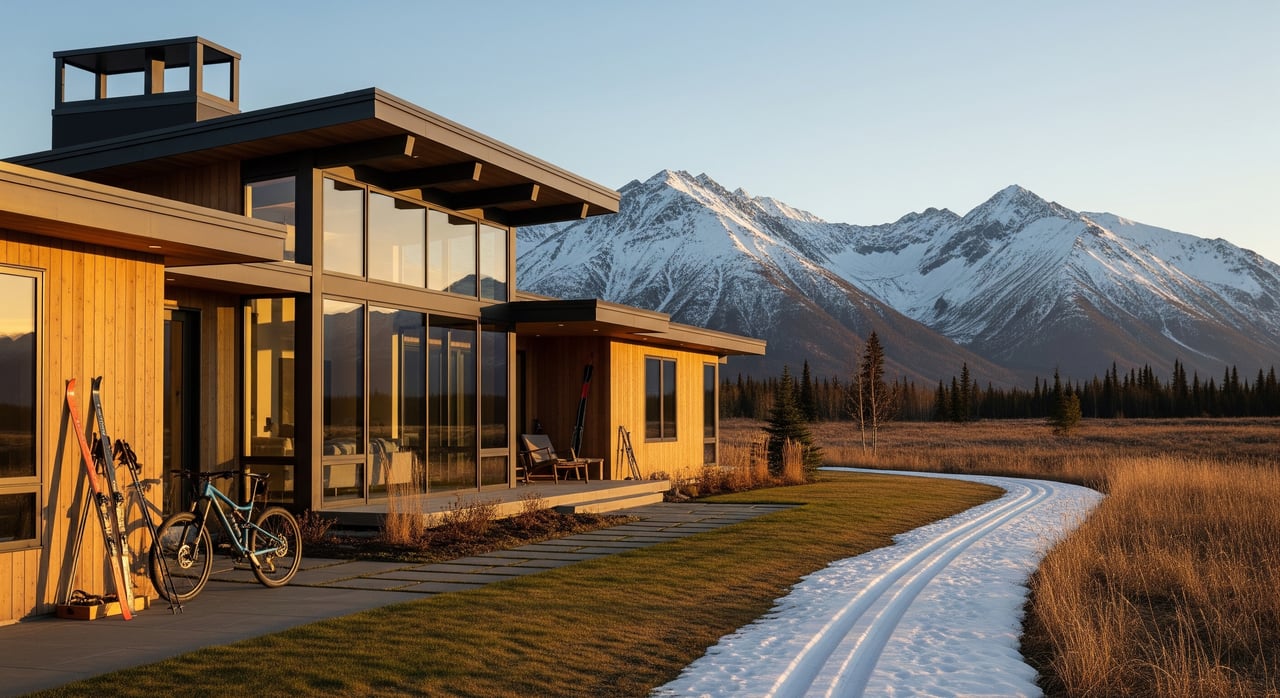
Want to step out your door and be on a trail in minutes? If you love biking, skiing, hiking, or simply catching coastal sunsets, Anchorage makes outdoor living part of your everyday routine. You want a neighborhood that fits your lifestyle and your commute, without giving up year-round access to the places you love most. This guide breaks down Anchorage areas known for trails, skiing, and mountain or coastal access, plus practical tips to help you choose the right fit. Let’s dive in.
Why Anchorage works for outdoor living
Anchorage is built around linear trail corridors and large parks that connect many neighborhoods directly to nature. The Tony Knowles Coastal Trail runs from downtown west along the coast toward Kincaid Park, offering miles for biking, running, and winter activities. Chester Creek and Campbell Creek trail systems link neighborhoods to parks and the city core.
You also get big-park variety. Kincaid Park offers groomed cross-country skiing, mountain biking, hiking, and coastal access. On the eastern edge, Chugach State Park and the Glen Alps trailhead connect you to Flattop Mountain and high-country hiking within minutes of the Hillside. Farther south in the municipality, Girdwood pairs a mountain-town feel with Alyeska Resort’s downhill skiing and summer trails.
Winter does not slow you down here. Municipal teams and volunteer groups groom cross-country ski networks and maintain multi-use trails in many parks, so you can keep moving year-round.
Best neighborhoods by lifestyle
Coastal access: West Anchorage, Turnagain, Spenard
If you want quick entry to the Tony Knowles Coastal Trail and views of Cook Inlet and Turnagain Arm, look at West Anchorage, Turnagain, and Spenard. You can enjoy long bike rides, runs, and roller-skiing right from your neighborhood, then head to Westchester Lagoon or continue toward Kincaid Park.
Housing is a mix of classic single-family homes, bungalows, condos, and some newer infill. Many streets are bikeable to local cafes and parks. Consider that coastal exposure and strong tides can shape certain plans, especially along Turnagain Arm.
Kincaid and South Anchorage: Bayshore, Kincaid area
For groomed cross-country skiing and extensive mountain biking, South Anchorage near Kincaid is a standout. You can access a dense trail network, scenic viewpoints, and summer beach walks. Wildlife viewing, including moose in and around the park, is common.
Homes tend to be single-family on moderate to larger lots with room for gear storage. Weekend parking at Kincaid can be busy, which makes living nearby especially convenient for before-work or after-dinner laps.
Hillside and Glen Alps: mountain-first access
If your perfect day starts with a trailhead coffee and ends with an alpine view, the Anchorage Hillside is your zone. Glen Alps provides immediate access to Flattop and Chugach foothill routes for hiking and scramble-style adventures.
Expect hillside cabins, split-levels, and custom homes, often with panoramic city and coastal views. Roads can be steeper with winter snow and ice, and certain gullies have avalanche risk in backcountry terrain. Many trails here are wilderness-style, so plan for backcountry conditions and carry appropriate gear.
Urban trail network: North/NE and Midtown
North and Northeast Anchorage, including the university area and North Star, sit along the Chester Creek and Campbell Creek trail corridors. These areas are great for daily fitness, bike commuting on separated paths, and winter laps on groomed urban routes.
You’ll find a range of post-war homes, townhomes, condominiums, and newer infill. You trade immediate mountain access for strong daily trail connectivity and convenient city services.
Girdwood (Alyeska): resort mountain community
Girdwood is within the Municipality of Anchorage, about a 30 to 45 minute drive south of downtown depending on conditions. If downhill skiing, alpine hiking, and a mountain-town vibe are your priorities, this community stands out.
Housing includes cabins, condos, and mountain-resort homes. You gain quick access to lifts and high-country trails, with the tradeoff of a longer commute to downtown and seasonal tourism dynamics.
What to expect by season
- Summer: Long daylight hours encourage hiking, biking, paddling, and running. Trail networks across the city are fully open and active.
- Winter: Groomed cross-country ski systems and multi-use paths keep you moving. Shorter daylight and cold temperatures require proper layers, traction, and prep.
- Shoulder seasons: Conditions vary. Expect mud, slush, and intermittent snow that may limit some activities for a few weeks at a time.
Practical tips for daily outdoor life
- Trail access and parking: Popular trailheads can fill up fast on weekends and holidays. Living close to your favorite park can make before-work outings easier.
- Transit and bike commuting: Anchorage’s People Mover bus system serves many neighborhoods, and bike commuting is common on trail corridors in summer. Some paths are plowed for year-round multipurpose use.
- Wildlife awareness: Moose are often in parks and neighborhoods, and bears can be present near greenbelts and food sources. Know local guidance on encounters and keep situational awareness on trails.
- Avalanche awareness: Steeper hillside and backcountry zones can have avalanche risk. Check local advisories before entering avalanche terrain.
- Stewardship and rules: Trails span municipal and state lands. Respect signage, closures, dog-leash rules, and grooming schedules. Volunteer groups and non-profits support much of the maintenance, so consider getting involved.
Home features that support an active lifestyle
Anchorage buyers who play outside often look for:
- Mudroom or large entry for wet gear and pets.
- Dedicated storage for bikes, skis, and seasonal equipment.
- Heated garage or smart snow-management features for winter.
- Strong insulation and reliable HVAC for year-round comfort.
- Durable siding and roofing that hold up to wind, snow, and coastal exposure.
Balance commute and trail access
Think about your daily pattern. If you work downtown and want quick evening rides, coastal-access neighborhoods may suit you best. If you want to sprint from your door to mountain trailheads, the Hillside can be worth the winter driving. If you want groomed ski laps close to home, South Anchorage near Kincaid delivers. Girdwood is perfect if resort skiing is your focus and you can flex commute time.
How we help you choose
You deserve a neighborhood that matches how you live, not just where you sleep. Our team knows the nuances of Anchorage’s trail corridors, parking patterns, winter road realities, and the common home features outdoor enthusiasts value.
Whether you are relocating for work or making a local move, we can narrow your search to homes that put you close to the trails you use most, plan smart tours around traffic and weather, and negotiate with confidence. When you are ready, explore listings and connect with a local expert. Start with Wolf Real Estate.
FAQs
Which Anchorage neighborhoods are closest to the Tony Knowles Coastal Trail?
- West Anchorage, Turnagain, and Spenard offer the shortest walks or rides to coastal trail access points and Westchester Lagoon.
Where can you cross-country ski within Anchorage city limits?
- Kincaid Park is the most prominent groomed network, and many municipal parks and trail corridors are groomed or tracked by local groups in winter.
How far is Girdwood from downtown Anchorage for daily access to Alyeska?
- Plan on roughly 30 to 45 minutes by car in typical conditions, with extra time during snow or peak travel.
What home features help with an active Alaska lifestyle in winter?
- Look for a mudroom, heated garage, ample gear storage, solid insulation, and durable exterior materials for snow and wind.
How do you handle wildlife and trail safety around Anchorage?
- Stay aware, give wildlife space, secure food and trash, and follow posted rules; check local guidance for bears and moose, and review avalanche advisories before entering steep terrain.
Do Hillside or Girdwood homes add commute time to downtown?
- Yes. Hillside roads can be steeper in winter and add drive time, while Girdwood is a longer commute overall; weigh commute needs against your preferred trail access.