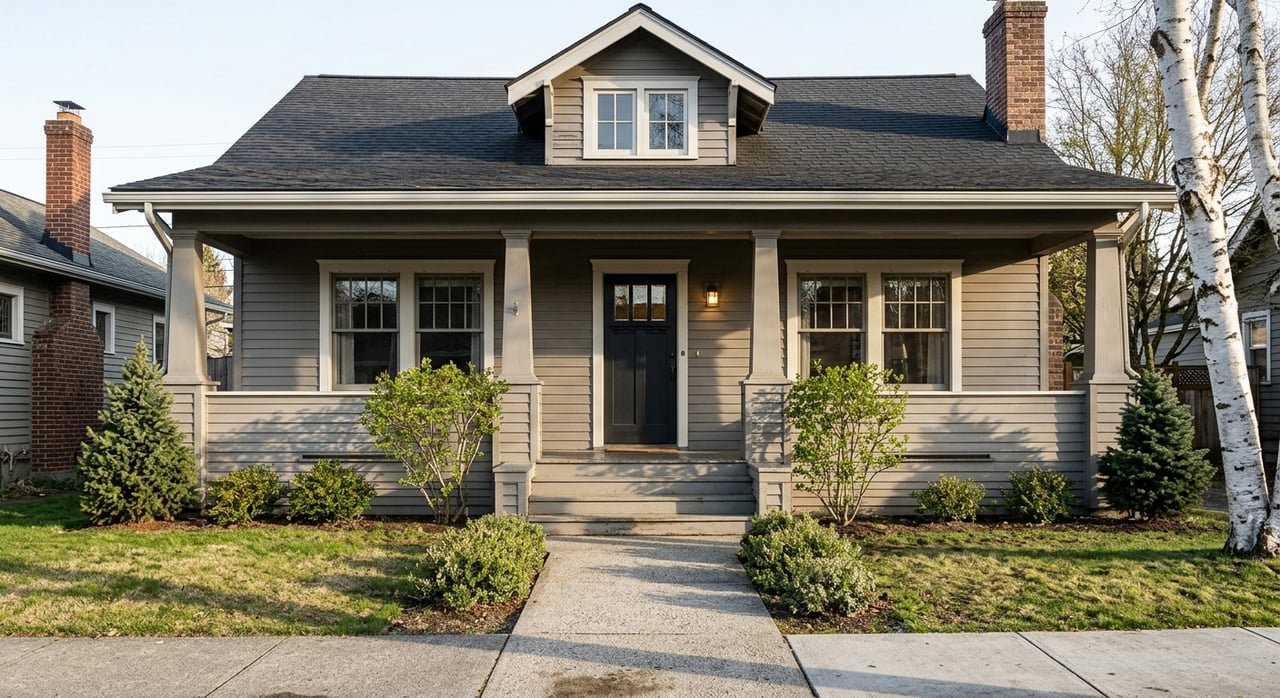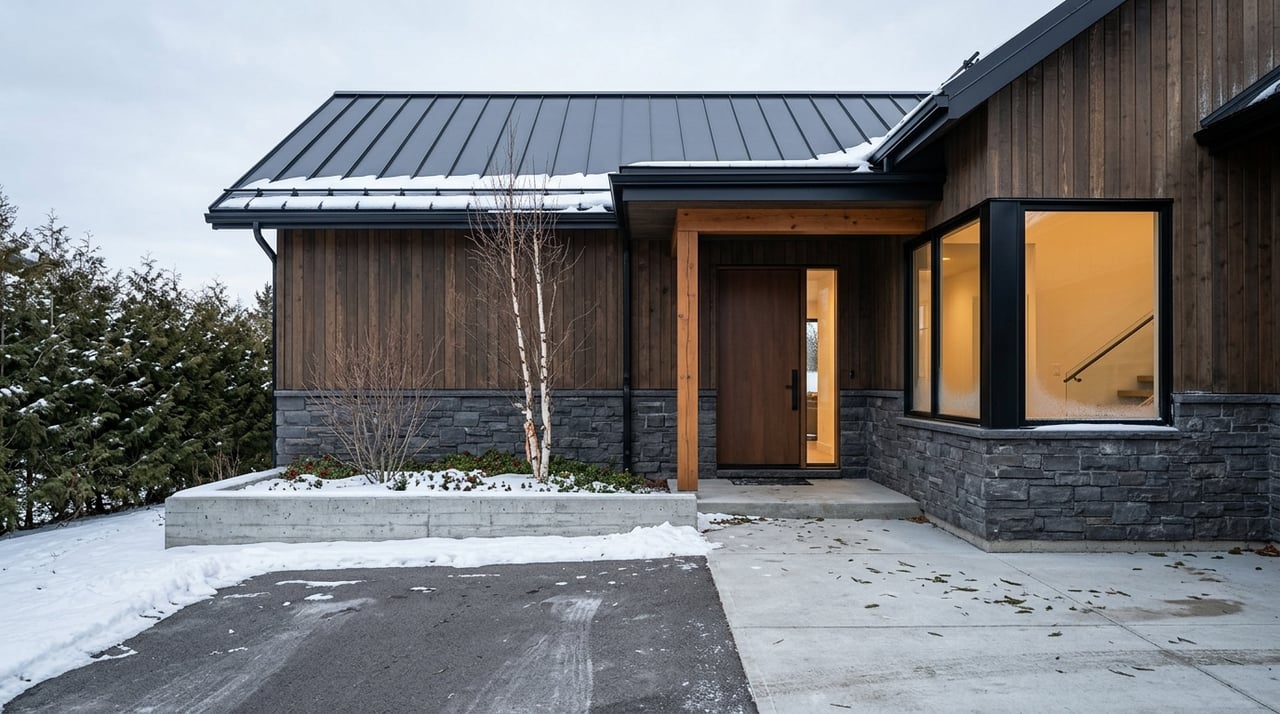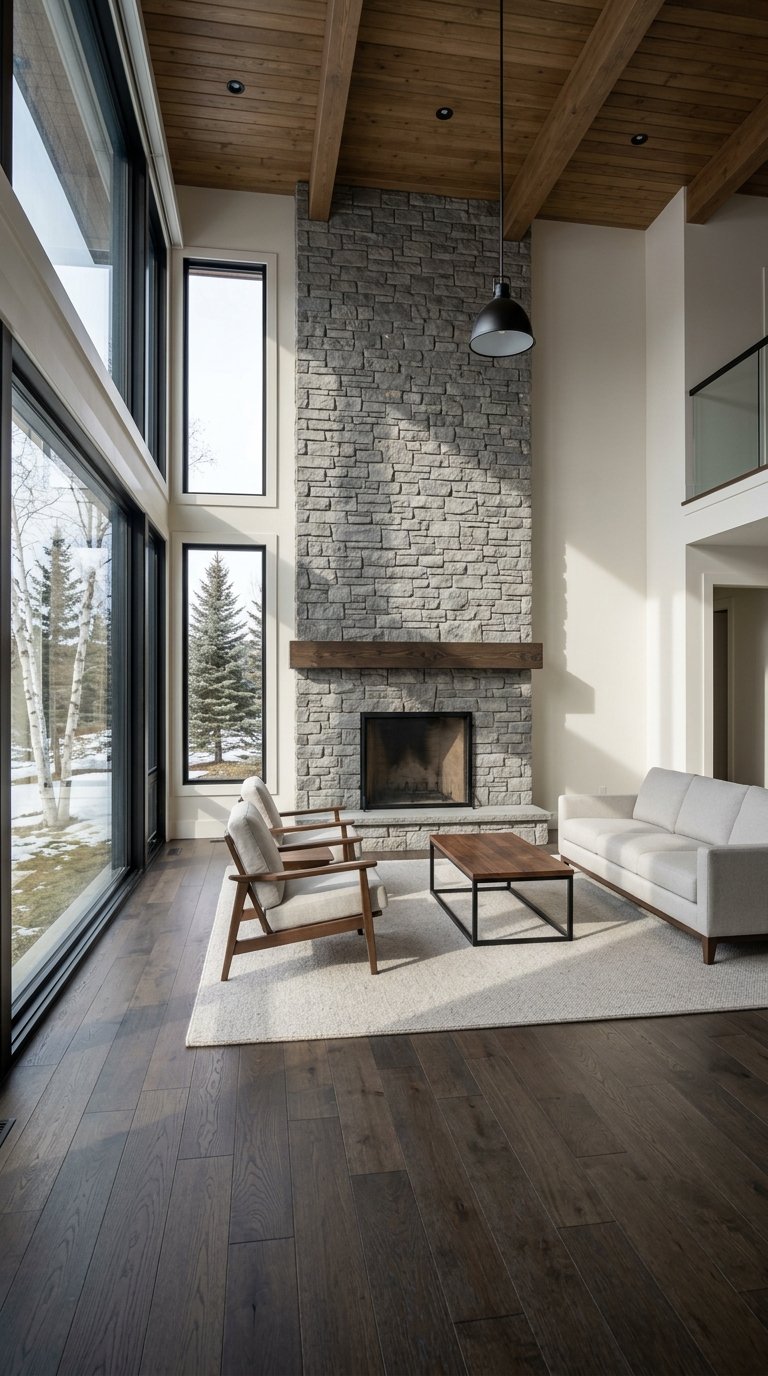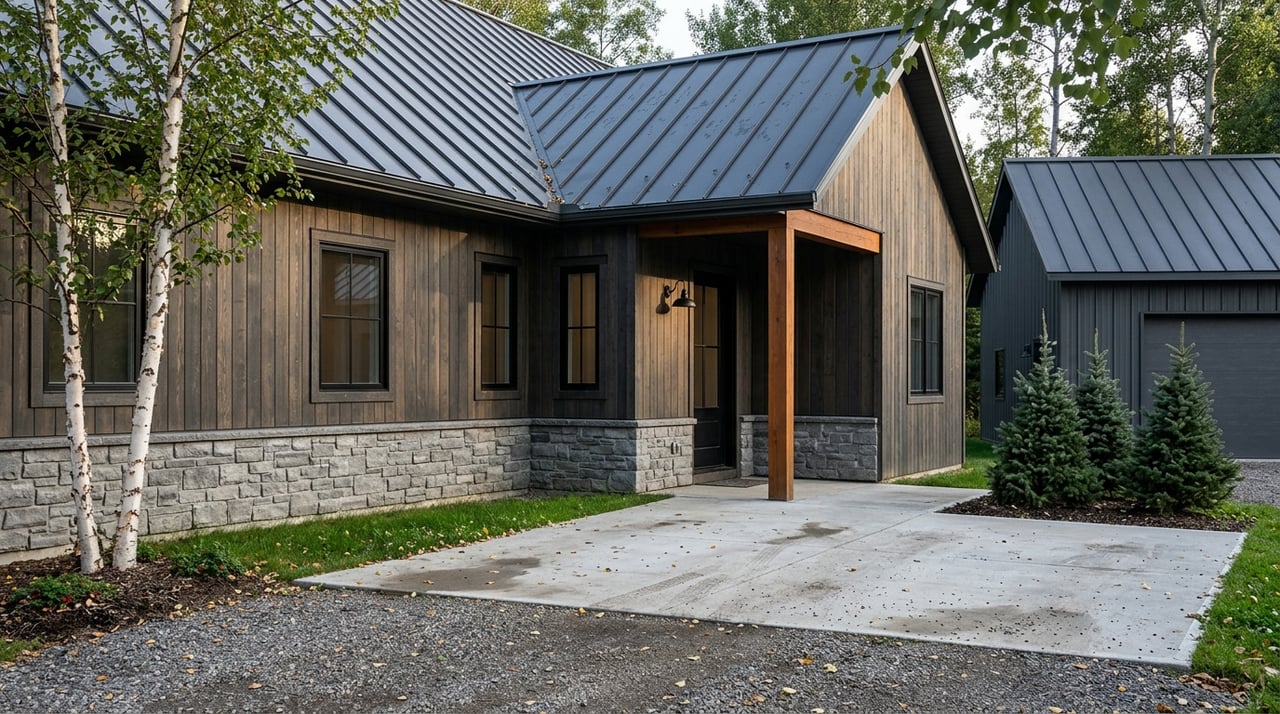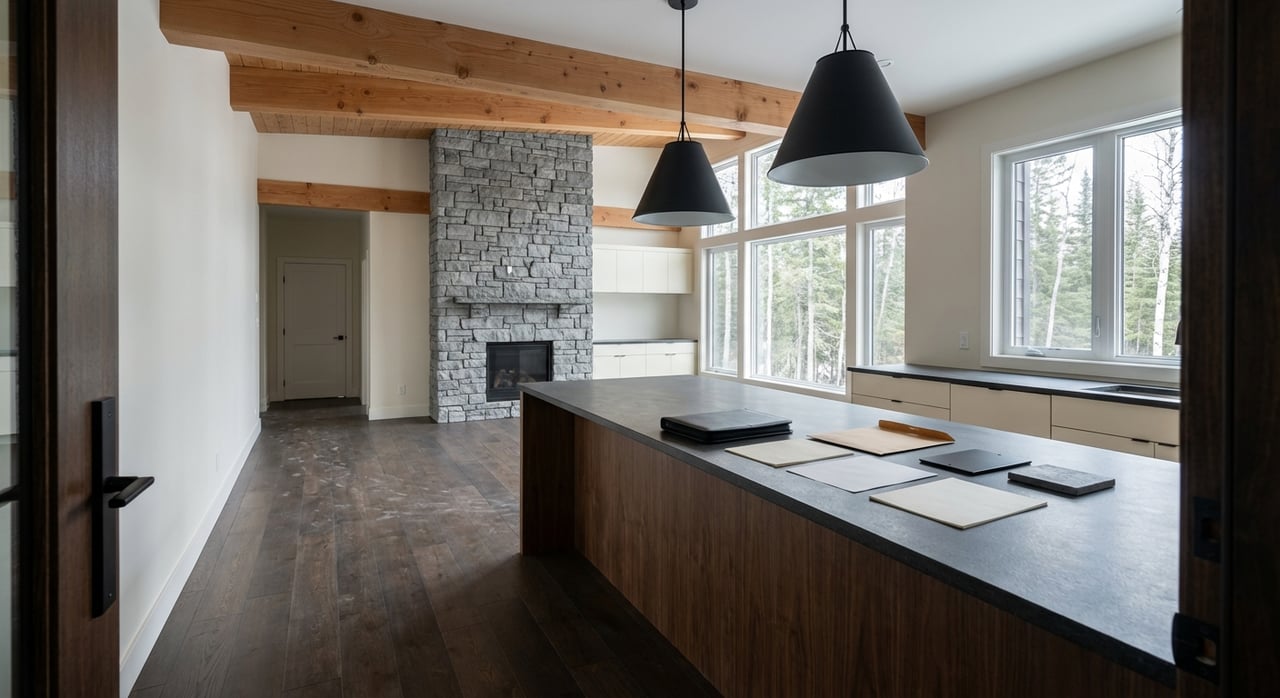
Thinking about buying or building a new home in Wasilla’s 99654? You are not alone. New construction can give you modern layouts, energy efficiency, and the finishes you want. The process in the Mat-Su Valley has a few local twists, from borough permits to wells and septics and winter timelines. In this guide, you will learn how new builds work in Wasilla, what to verify before you sign, and how to protect your budget and schedule. Let’s dive in.
Wasilla new construction at a glance
New homes in 99654 range from move-in-ready spec builds to fully custom projects on larger lots. Inventory appears on the MLS, builder websites, and through local developers. For a quick pulse on pricing and activity, review the Realtor.com Wasilla market overview and then ask your agent to set up a live new-build feed so you see releases as they hit the market.
If you like scouting future subdivisions, it helps to know where new plats start. Developers file with the Matanuska-Susitna Borough (MSB) Platting Division, which holds public hearings and records approved plats with conditions. You can track activity and learn how plats move from proposal to recording through the MSB Platting Services resources.
Who permits your build
Borough vs. City roles
In and around Wasilla, most residential building permits and code inspections are handled by the MSB’s Fire and Life Safety team. The Borough explains permit requirements, plan review, and inspections on its Fire & Life Safety page. The City of Wasilla Planning Department also provides guidance on zoning and local processes, and notes that many residential building reviews route to the Borough. Start by confirming whether your lot is inside City limits or in the Borough and review the City’s Planning information and “Do I need a building permit?” FAQ.
Inspections and your certificate to move in
Plan review leads to a typical series of inspections such as foundation, framing and rough-ins, mechanical, and final. A certificate of occupancy or certificate of completion is issued after approvals. Ask your builder to provide permit numbers and final paperwork before you release the last payment. You can see the overall permit-to-inspection flow on the Borough’s Fire & Life Safety page.
Lots, plats, and infrastructure basics
What plat notes tell you
When a subdivision is approved, conditions such as road standards, drainage, rights-of-way, and utility stub-outs are recorded with the plat. Before you buy, review the recorded plat and any notes that describe who is responsible for roads, sidewalks, and drainage, and whether timing requirements apply. The Borough outlines platting steps and standards within its Platting Services information. Your agent can help you read plat notes and request as-builts from the developer.
Water, sewer, wells, and septic
Some parts of Wasilla have municipal water and wastewater service. Many lots use private wells and onsite septic systems. Always confirm what your lot has, how you will connect, and what fees apply. For septic systems, require permits, soil or percolation reports, and installation certificates. The Alaska Department of Environmental Conservation provides guidance on onsite sewage and engineering support on its OSDS resources page.
Builder credentials, contracts, and warranties
Verify the builder before you sign
Alaska requires construction contractors to be registered or licensed and bonded. Before you commit, verify the builder’s active license, bond, and insurance, and check for any complaints. The state’s Division of Corporations, Business and Professional Licensing explains requirements and how to verify credentials in its Construction Contractors FAQs.
Must-have contract protections
A strong new-construction purchase agreement should spell out the scope of work and your rights. Include:
- Exact lot and plan, finish levels, and upgrade allowances with pricing.
- A realistic completion schedule with specific dates. Avoid vague “substantial completion” language. If feasible, negotiate remedies for delays or an agreed holdback.
- Clear deposit terms that explain when funds are refundable and when they are not. Ask for escrow on larger deposits when possible.
- Your right to independent phase inspections at foundation, pre-drywall, and final. The HouseMaster new construction inspection guide explains these phases.
- Warranty language that states what is covered, how to submit claims, response times, and dispute resolution.
State licensing rules do not replace contract protections, so get everything in writing. For large custom builds or high-deposit situations, consider legal review.
Warranties in Alaska
Alaska does not impose a single, statewide new-home warranty program. Coverage is usually defined in the contract. Courts have addressed implied warranty and habitability in certain disputes, but remedies depend on the facts and your agreement. You can read an Alaska Supreme Court case for background here: Newton v. Magill. To protect yourself, insist on a written, itemized warranty that covers workmanship, mechanical systems, and structural components, with clear start dates and a simple claim process. Schedule an 11th-month inspection to catch issues before a typical one-year builder warranty expires. The HouseMaster guide outlines that timing.
Financing and timeline in Mat-Su conditions
Spec vs. custom timelines
Spec homes usually close faster, since the builder already has plans and often a head start on construction. Custom builds take longer because you drive design choices and selections. In the Mat-Su Valley, frozen ground and short exterior work windows can extend schedules. Build weather allowances into your contract and confirm milestone dates in writing.
How construction loans work
Many Alaska lenders offer construction financing that disburses funds in draws as milestones are completed. Lenders commonly require plans, budgets, permits, and a licensed, bonded general contractor. They often send inspectors before releasing each draw. For a primer on how construction-to-permanent loans and draw schedules work, see this Investopedia overview. You can also review a local lender’s checklist at First National Bank Alaska.
Energy-efficient incentives to know
Alaska Housing Finance Corporation offers a New Home Construction Rebate tied to energy standards and timeline requirements such as the foundation pour date. These rules can affect your schedule and the timing of your certificate of occupancy. Review program details on AHFC’s site: New Home Construction Rebate. Ask your agent and lender to coordinate with your builder so you do not miss eligibility.
Inspections and punch lists
Municipal inspections confirm code compliance. They do not replace a buyer’s independent inspections. Hire an inspector to perform phase checks at foundation pre-pour, pre-drywall, and final. The HouseMaster new construction inspection guide explains why each stage matters. At final, complete a thorough walkthrough and create a written punch list with due dates. Before closing or final payment, confirm final Borough approvals and obtain the certificate of occupancy or completion as outlined by MSB Fire & Life Safety.
How your buyer’s agent helps
Alaska law requires clear disclosure of agency relationships. Your agent should present agency in writing at first substantive contact and include the correct representation language in your purchase agreement. You can read the statute text on the Alaska Legislature site here: agency disclosure.
A strong buyer’s agent will:
- Verify the builder’s Alaska license, bond, and insurance through the state’s CBPL FAQs.
- Negotiate contract terms that protect you, including inspection rights, clear finish allowances with prices, defined timelines and remedies, escrow for large deposits, and a detailed warranty.
- Coordinate independent phase inspections and attend walkthroughs. Use inspection reports to build and track your punch list. See the HouseMaster overview for common phases.
- Review plat notes, road and utility responsibilities, and whether the lot falls under an HOA or special assessment. The Borough’s Platting Services page is a helpful reference.
- Help confirm eligibility and timing for the AHFC New Home Construction Rebate and coordinate documentation with your lender and the builder.
A step-by-step new construction checklist
Use this simple roadmap to keep your Wasilla build on track:
- Define your build type. Decide between a spec home with a faster close or a custom build with more choices and a longer timeline.
- Confirm jurisdiction. Check if the property is inside Wasilla city limits or in the Borough and review permitting routes with MSB Fire & Life Safety and City Planning.
- Scout plats and lots. Review the MSB platting calendar and recorded plat notes. Verify road, drainage, and utility responsibilities.
- Verify utilities. Confirm municipal water and sewer availability or plan for private well and septic. Collect OSDS permits and reports if applicable.
- Vet the builder. Verify Alaska license, bond, and insurance. Ask for references and recent project photos.
- Lock in financing. Speak with local lenders about construction or construction-to-perm loans, draws, and required inspections.
- Negotiate the contract. Include schedule, allowances, deposits and escrow, inspection rights, warranty terms, and a clear change-order process.
- Schedule phase inspections. Book foundation pre-pour, pre-drywall, and final inspections. Plan an 11th-month warranty check.
- Track progress and punch lists. Document selections and upgrades. Capture punch-list items in writing with due dates.
- Close with confidence. Confirm final Borough approvals and the certificate of occupancy or completion. Collect all manuals, warranties, and keys.
Ready to explore new construction in 99654 with a local team that understands Mat-Su timelines, borough processes, and builder negotiations? Start a focused search and line up expert representation with Wolf Real Estate.
FAQs
What permits do I need to build a new home in Wasilla?
- Most residential permits and inspections run through the Matanuska-Susitna Borough’s Fire and Life Safety program, while the City of Wasilla provides planning and zoning guidance and routes many building reviews to the Borough; confirm your lot’s jurisdiction and review the Borough’s Fire & Life Safety steps and City Planning resources.
How do septic systems work in Mat-Su and what paperwork should I get?
- Many Wasilla-area homes use onsite septic; require OSDS permits, soil or percolation reports, and installation certificates, and review Alaska DEC guidance on onsite sewage systems.
Do I need a private inspection on new construction in 99654?
- Yes; municipal inspections check code compliance but do not replace your own inspections; schedule independent phase inspections at foundation, pre-drywall, and final as outlined by HouseMaster.
How do construction loans work for Alaska new builds?
- Lenders typically fund in milestone draws after inspections and require plans, permits, budgets, and a licensed builder; review this Investopedia overview and see local requirements at First National Bank Alaska.
What is the AHFC New Home Construction Rebate and who qualifies?
- AHFC offers a rebate tied to energy standards and timing rules such as the foundation pour date; see eligibility and process on AHFC’s program page and coordinate timing with your builder and lender.
How long does a custom home take in Wasilla’s climate?
- Timelines vary by builder, permits, materials, and labor, and winter conditions can extend schedules; get milestone dates in writing with weather allowances and plan for buffer time during plan review per MSB Fire & Life Safety.
Who represents me if I visit a builder’s model home in Wasilla?
- Builder reps often work for the seller; secure a written buyer-representation agreement and ensure agency disclosure per Alaska law, which you can review on the Legislature’s site for agency disclosure.
What should I ask about a plat or HOA in a new Wasilla subdivision?
- Request recorded plat notes, conditions, and as-builts, confirm who maintains roads and drainage, and ask for HOA CC&Rs and budget if applicable; the Borough’s Platting Services page explains how plat conditions are set and recorded.