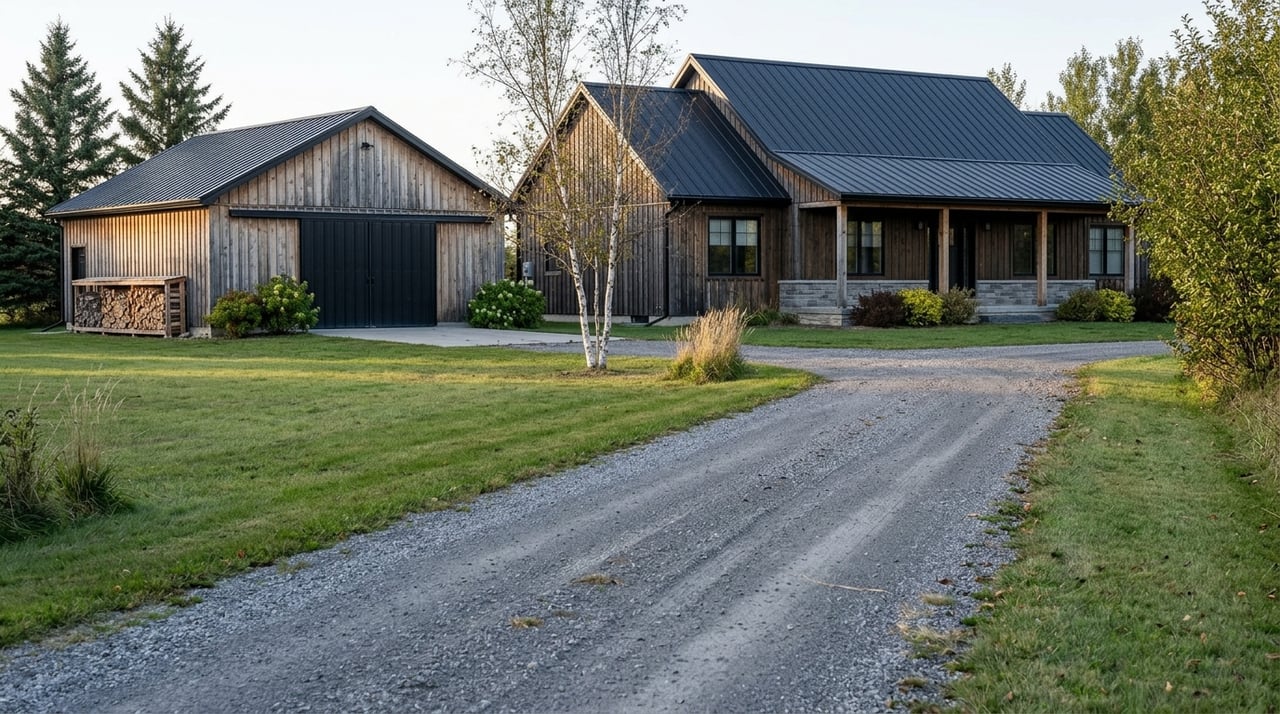
Thinking about trading a tighter lot for a little more room in Palmer? Small acreage can offer the kind of Alaska lifestyle many buyers want, but it also comes with details that matter a lot more than they do in a typical in-town home search. If you are considering a hobby farm or a home with land in the 99645 area, this guide will help you focus on the issues that can shape daily life, future plans, and the value of the property. Let’s dive in.
Why Palmer Acreage Feels Different
Palmer sits about 42 miles northeast of Anchorage along the Glenn Highway in the Matanuska Valley. The area’s roots in the 1935 Matanuska Colony still shape how many people think about life here, with space, land, and an agricultural rhythm that feels different from a standard suburban setup.
For many buyers, a Palmer hobby farm is not just about getting a bigger yard. It is about choosing more room, more flexibility, and a more self-managed property. That can be a great fit, but it also means you need to verify more before you buy.
Start With Jurisdiction
One of the first questions to ask about any parcel is simple: who governs it? That answer affects permits, building rules, and land use requirements.
Inside Palmer city limits, the city building department reviews work under the Palmer Municipal Code and adopted state codes. Outside the city, Mat-Su Borough zoning and permitting rules may apply, and the borough states that zoning, land use, and building regulations exist for development in Palmer, Wasilla, Houston, and designated districts outside those cities.
That means you should never assume a Palmer mailing address tells the whole story. Before you make an offer, confirm the parcel on a map so you know whether city or borough rules apply.
Check Road Access Carefully
On small acreage, access is not a small issue. A property can look perfect online, but road type, maintenance, and driveway requirements can change your day-to-day experience fast.
The Mat-Su Borough requires a driveway permit for a new driveway, widening or relocating an existing driveway, connecting an unpermitted driveway to a borough road, or changing the use in a way that increases traffic. The review looks at drainage, line of sight, culverts, and other safety issues before work begins.
The borough also notes that a private road does not require a borough permit, while a state-maintained road may require a state permit. In other words, access rules depend on the road you are connecting to, not just the land itself.
Winter Road Questions to Ask
Road maintenance matters even more when snow arrives. The borough maintains more than 1,100 miles of roads across 16 road service areas, but some roads may be city-maintained, state-maintained, privately maintained, or not maintained at all.
The borough says snow removal starts at 4 inches, and priority routes are handled first. Property owners are responsible for removing snow berms across the driveway, which is worth knowing if you are moving from a more urban setting.
Before you buy, ask:
- Is the road borough, city, state, private, or unmaintained?
- Is the property in a road service area?
- Who handles plowing and routine maintenance?
- Are there seasonal access issues?
- Is the current driveway permitted and properly placed?
Verify Wells and Wastewater Early
Many small-acreage properties rely on private systems. That makes water and wastewater records a major part of your due diligence.
For private wells, Alaska DEC states that the owner is responsible for water quality. DEC does not sample or regulate private drinking water wells, recommends at least annual nitrate and coliform testing, and suggests considering arsenic in some areas.
If a property has a well, ask for well logs and any available water test records. If those records are not available, you may want to plan for testing so you can better understand the system you may be inheriting.
DEC also notes that onsite wastewater systems are documented in real estate transactions, and buyers can search state system records when reviewing a property. If records are missing, the local DEC office is the next step.
Utility Questions for Small Acreage
Acreage buyers should look beyond whether the lights turn on and the faucets run. The more useful question is whether the systems are documented, usable, and appropriate for your plans.
Focus on these items:
- Is there a private well, and are test records available?
- Are well logs available?
- Is there a recorded septic or onsite wastewater system?
- Are state records easy to locate?
- Will the current water and wastewater setup support your intended use?
Review Site Conditions and Permits
Land can come with physical limits that are easy to miss in listing photos. In the Palmer area, waterbodies, setbacks, and flood hazard areas deserve extra attention.
Outside Palmer city limits, the Mat-Su Borough requires a Mandatory Land Use Permit for some development, especially near waterbodies. The borough says the site plan should show setbacks, driveways, nearby waterbodies, septic systems, and wells.
In flood hazard areas, a Floodplain Development Permit is required. The borough also states that structures in the Special Flood Hazard Area must be built two feet above Base Flood Elevation.
These issues do not automatically make a property a bad choice. They do mean you should understand the rules before assuming you can build, expand, or place structures where you want.
Plan for Barns, Sheds, and Outbuildings
A big reason people shop for hobby farms is flexibility. You may want a barn, a shop, a storage shed, or space for equipment. In Palmer, those goals are common, but they still need to match the parcel and the rules that apply.
Borough code definitions treat accessory uses as secondary to the main use and include examples such as storage sheds on residential property and barns on agricultural property. That tells you outbuildings are a normal part of acreage planning, but not an automatic right on every lot.
Inside Palmer city limits, detached non-habitable storage structures, including shipping containers used for storage, are allowed if they comply with city ordinances and adopted building codes. A shed permit fee applies up to 320 square feet, and larger sheds require a building permit.
Outbuilding Questions to Answer Before You Buy
If the property already has extra structures, confirm they are legal and properly permitted where required. If you plan to add structures later, make sure the lot can support that plan.
Ask questions like:
- Are the existing sheds, barns, or shops permitted if required?
- Does the parcel’s zoning allow your intended accessory use?
- Are setbacks or site constraints likely to limit placement?
- If the property is in the city, what size structure triggers a building permit?
- If you want storage containers, are city rules or borough rules the ones that apply?
Understand Palmer ADU Rules
Some buyers want land plus space for guests, extended household use, or a separate small residence. If that is on your wish list, Palmer’s accessory dwelling unit rules are specific enough that you should review them early.
Inside Palmer city limits, one ADU is allowed per residentially or agriculturally zoned lot larger than 10,000 square feet. Detached ADUs that are not part of a garage are limited to lots of 20,000 square feet or larger.
The city also requires the owner to occupy one unit for at least six months each year. Detached ADUs are capped at 25 feet in height and 300 to 900 square feet in size, and a recorded covenant is required before the permit is finalized.
That level of detail means an ADU plan should never be based on guesswork. If a separate unit is important to you, confirm lot size, zoning, occupancy requirements, and structure limits before moving forward.
Financing a Hobby Farm Can Be Different
Financing for a home on acreage can look a little different from financing a standard subdivision property. That does not mean it cannot work. It means the property may need to fit residential lending guidelines clearly.
USDA Rural Development states that its guaranteed loan program has no set acreage limit and can finance new or existing residential property used as a primary residence in eligible rural areas. The direct loan program is aimed at low- and very-low-income borrowers.
Fannie Mae appraisal policy states that the lender must determine whether the property is residential in nature regardless of outbuildings. The appraiser should rely on comparable residential sales with similar amenities, which means extra land, barns, shops, or other improvements may lead to added underwriting and appraisal questions.
Why Acreage Buyers Need Extra Prep
Acreage homes can be very financeable, but they often benefit from cleaner documentation. The more clearly the property reads as a residential home with support structures, the easier your path may be.
It helps to gather information on:
- Legal access and road maintenance
- Well and wastewater records
- Floodplain or setback issues
- Existing outbuildings and permits
- Whether the home will be used as a primary residence
A Practical Palmer Buying Checklist
When you are comparing hobby farms and small-acreage homes around Palmer, it helps to stay focused on the details most likely to affect livability and future plans. These are the items that often separate a great fit from an expensive surprise.
Use this checklist as a starting point:
- Confirm whether the parcel is inside Palmer city limits or in the borough
- Verify road type and winter maintenance responsibility
- Check whether the driveway is permitted and compliant
- Review well records and water testing history
- Confirm septic or onsite wastewater records
- Ask about waterbody setbacks and land use permits
- Check flood hazard status
- Verify the legal status of sheds, barns, shops, and other outbuildings
- Review ADU rules if a second living space matters to you
- Talk with your lender early if the property has unusual acreage or improvements
Why Local Guidance Matters
Palmer small acreage can be a great option if you want more land and a different pace than you may find closer to Anchorage. At the same time, these properties usually ask more of you as a buyer because access, utilities, permits, and land use details matter in a very real way.
That is where local experience helps. When you know which questions to ask early, you can avoid wasted time and focus on properties that truly fit your goals.
If you are exploring hobby farms, land, or small-acreage homes in Palmer or the Mat-Su area, Wolf Real Estate can help you sort through the details and find a property that fits the way you want to live.
FAQs
What should you verify first when buying a Palmer hobby farm?
- Start by confirming the parcel’s jurisdiction, because city and borough rules can differ on permits, land use, and building requirements.
How do road maintenance rules affect Palmer small-acreage homes?
- Road maintenance affects winter access, plowing expectations, and permit requirements for driveways, so you should confirm whether the road is borough, city, state, private, or unmaintained.
What should you check about wells on Palmer acreage?
- You should ask for well logs and water test records, because Alaska DEC says private well owners are responsible for water quality and recommends regular nitrate and coliform testing.
How can you verify septic records for a Palmer property?
- Alaska DEC says onsite wastewater systems are documented in real estate transactions, and buyers can search state system records or contact the local DEC office if records are missing.
Can you add a shed or barn to a Palmer small-acreage property?
- Possibly, but you should verify the parcel’s jurisdiction, zoning, setbacks, and permit requirements first, because outbuildings are common on acreage but are not automatically allowed on every lot.
What are the ADU rules inside Palmer city limits?
- Palmer allows one ADU on qualifying residentially or agriculturally zoned lots, but lot size, owner occupancy, height, size limits, and a recorded covenant all apply.
Can a Palmer hobby farm qualify for residential financing?
- It may, but lenders and appraisers will usually want to confirm that the property is residential in nature, and extra acreage or outbuildings can lead to more underwriting review.