Wondering how to price your Eagle River home without leaving money on the table or watching it sit? You are not alone. Selling here can move quickly, but the right strategy depends on more than a big-picture market average. In this guide, you will learn how to think about local pricing, what prep work matters most, and how to get your home market-ready for Eagle River conditions. Let’s dive in.
Eagle River Market Snapshot
Eagle River has recently leaned in sellers’ favor, but that does not mean every home will sell the same way. Public market dashboards show median asking prices in the high $400,000s and closed sales in the low $400,000s, with homes moving in about 19 to 22 days overall.
That gap between list prices and sold prices is important. It does not mean the data is conflicting. It means active listings and closed sales are telling you different parts of the story, and your pricing strategy should rely more heavily on recent sold comps than on current asking prices alone.
Recent public data also shows sale-to-list ratios near 101% for Eagle River overall. That suggests buyers may pay close to asking for the right property, but it also makes overpricing a real risk. A home that misses the mark on price can lose momentum quickly, even in a market that feels active.
Why Micro-Markets Matter
A broad Eagle River average can only tell you so much. Different pockets of Eagle River are showing very different price points and time-on-market patterns.
For example, recent neighborhood-level data shows Eagle River Valley around $529,000 with 13 days on market, Eaglewood around $452,000 with 22 days, Eagle Crossing around $479,000 with 45 days, and South Fork around $764,500 with 72 days. That spread is a strong reminder that your home should be compared with similar homes in the same area and property type.
If you price based only on a headline average, you may miss what buyers are actually paying for in your part of Eagle River. Lot size, privacy, views, access, garage space, and condition can all shift value in a meaningful way.
What Buyers Notice in Eagle River
Eagle River housing includes many detached homes in low-density settings. Local land use patterns also mean utility setup can vary, and some properties differ in how they connect to public sewer and water.
That matters because buyers often look beyond interior square footage here. Features like slope, driveway usability, storage, lot layout, and outdoor access can carry real weight in how a property is perceived and priced.
How to Set the Right List Price
The best place to start is with recent closed sales that match your home’s location, style, size, and condition. Active listings matter too, but they are your competition, not proof of value.
In Eagle River, the list-to-sold spread makes this especially important. A home can look well-priced when compared with ambitious active listings, yet still miss where buyers have actually been willing to close.
A smart pricing approach usually includes these steps:
- Review recent sold homes in your immediate area
- Compare homes with similar lot size, garage capacity, and utility setup
- Adjust for condition, updates, and access features
- Watch current competition without copying it blindly
- Price for the market you are entering now, not the market from a season ago
Market conditions can also change fast between winter and spring. Public reporting showed Eagle River shift from buyer-leaning in January 2026 to seller-leaning by March 2026, which is a good reminder that timing and inventory can change quickly.
Prep Your Home Before Listing
Before buyers ever step inside, your home should feel well-maintained, safe, and easy to understand. In Alaska, prep is not just about style. It is also about readiness and documentation.
The Alaska Residential Real Property Transfer Disclosure Statement asks sellers to identify details about the home’s structure, systems, and known issues. That includes items like the foundation, roof, heating system, plumbing, windows, insulation, water supply, sewer system, driveways, garages, fences, retaining walls, and known defects or repairs.
This gives you a helpful roadmap for pre-listing prep. If something is visibly worn, not functioning properly, or likely to raise questions, it is often better to address it early or be ready with clear documentation.
Focus on Function First
You do not need a perfect house to sell successfully. You do need a home that shows care, honesty, and fewer distractions.
Prioritize visible or functional issues first, especially in these areas:
- Heating system performance
- Roof condition and repair history
- Water and sewer setup
- Driveway condition and access
- Garage doors, storage, and usability
- Exterior safety items such as railings, steps, and walkways
If repairs have already been made, gather records where possible. Supporting documents like inspection reports, surveys, flood certificates, or well logs can help create a cleaner disclosure file when they apply to your property.
Don’t Forget Required Disclosures
If your home was built before 1978, you will also need the federal lead-based paint disclosure. That is a standard part of the process for older homes and should be prepared before listing.
More broadly, the goal is transparency. In a market where buyers move quickly, a well-organized seller often creates more confidence from the start.
Staging That Makes a Difference
Staging does not have to mean a full redesign. It means helping buyers picture how the home lives.
National staging research from 2025 found that 83% of buyers’ agents said staging made it easier for buyers to visualize a property as a future home. The most commonly staged spaces were the living room, primary bedroom, dining room, and kitchen.
That same research found that decluttering, deep cleaning, and curb appeal were the most common seller recommendations. It also found that many agents saw staging reduce time on market, and some reported stronger offers after staging.
Best Rooms to Prioritize
If you want the biggest impact, focus first on the rooms buyers tend to notice most:
- Living room
- Kitchen
- Primary bedroom
- Dining area
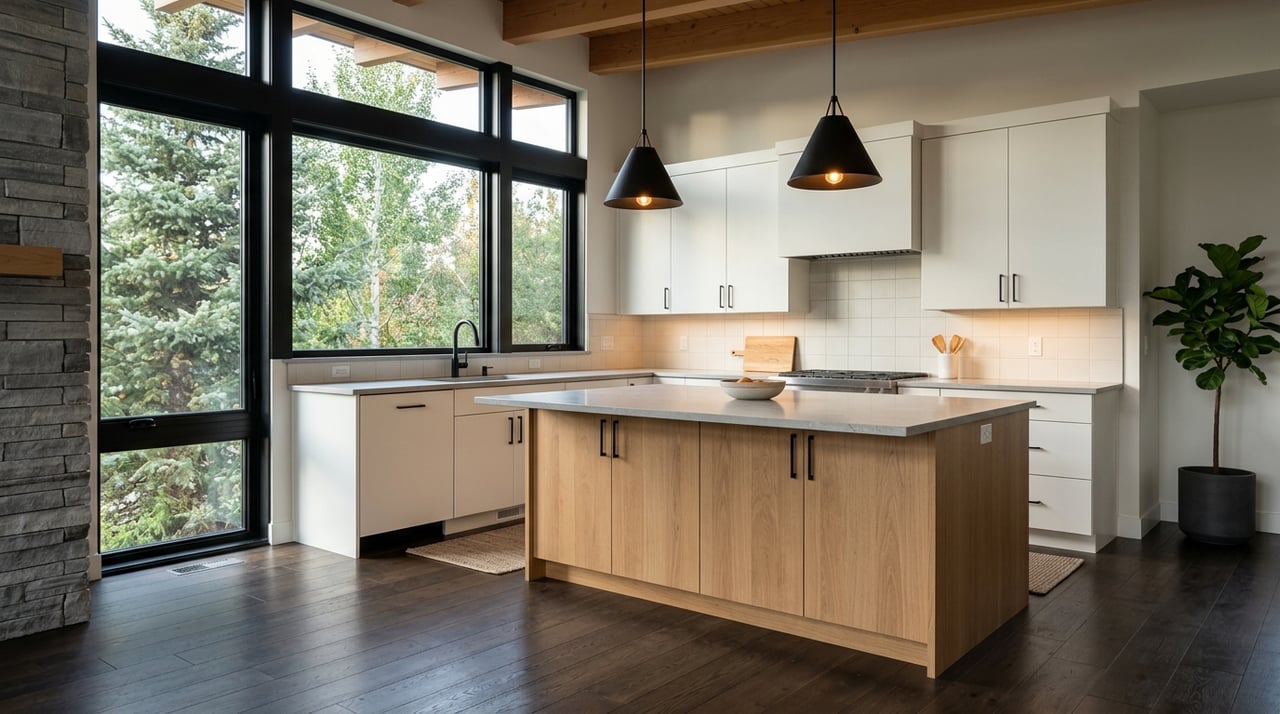
In practical terms, that usually means removing extra furniture, clearing counters, simplifying decor, and making each room feel bright and easy to walk through. The goal is not to make the home feel empty. It is to make the space feel clear, calm, and usable.
Eagle River Curb Appeal Is Different
In Eagle River, exterior presentation is not just about flowers and fresh mulch. It is also about weather readiness.
NOAA climate normals for Anchorage International show 77.9 inches of annual snowfall, with meaningful snowfall from October through April and the heaviest monthly totals in December through March. For local sellers, that means snow clearing and safe access should be treated as part of listing prep.
Winter-Ready Listing Tips
If you are listing during colder months, focus on basic logistics as much as appearance:
- Keep driveways and walkways cleared
- Make steps, decks, and entries safe to access
- Remove snow buildup that blocks views of the home
- Check exterior lighting for darker afternoons and evenings
- Keep garage and entry areas neat and easy to navigate
A buyer’s first impression starts before the showing begins. If access feels difficult or the exterior looks neglected, that can shape how the rest of the home is perceived.
Timing Your Sale in Eagle River
Many sellers assume spring is always best, and spring can certainly help with presentation. Snow melts, yards show better, and photos may feel brighter and more inviting.
Still, Eagle River conditions can tighten quickly outside the classic spring window. Recent market reporting showed a noticeable shift from winter into early spring, so waiting for the “perfect” season is not always the best move.
The better question is whether your home is ready. If the price is sharp, the condition is solid, and access is handled well, a home can attract strong interest in multiple parts of the year.
Your Best Selling Strategy
For most Eagle River sellers, the strongest plan comes down to three things: micro-market pricing, winter-aware presentation, and a clean disclosure package. These are the details that help your home compete well and build buyer confidence.
That is where local experience matters. A tailored pricing review should account for your specific pocket of Eagle River, your home’s setup, and the features buyers in this area actually value.
When you are ready to sell, Wolf Real Estate can help you build a pricing and prep plan that fits your property and the current market.
FAQs
What is the average time to sell a home in Eagle River?
- Recent public market data suggests a median pace of about 19 to 22 days overall, but your timeline can vary a lot by location, price point, and property type.
How should I price my Eagle River home?
- Start with recent closed sales in your specific area and compare homes with similar size, condition, lot characteristics, and features instead of relying only on active listings.
What repairs should I make before listing a home in Eagle River?
- Focus first on visible or functional issues, especially heating, roofing, water or sewer items, driveway access, garage function, and other issues that could affect buyer confidence or disclosure.
Does staging help when selling a home in Eagle River?
- Yes. Staging, decluttering, deep cleaning, and improving curb appeal can help buyers picture the home more easily and may support a faster sale.
Is winter a bad time to sell a home in Eagle River?
- Not necessarily. Winter listings can still perform well, but they usually need stronger exterior presentation, safe access, and better snow management than homes listed in warmer months.
What documents should I gather before listing a home in Alaska?
- It helps to gather information tied to the Alaska disclosure form, including details about the home’s systems and any supporting records such as inspections, surveys, flood certificates, or well logs when they apply.